
Birding Northern Tanzania
Six Days of Changing Habitats and New Discoveries
“Explore northern Tanzania through its remarkable variety of birding habitats. In April 2026, I led five guests on a six-day Northern Tanzania birding tour with Let’s Go Birding, travelling through highland forests, open plains, thornveld and lakeside habitats.”
A forested hillside, a stretch of open grassland and a quiet patch of roadside woodland might seem to have little in common. For a birder, each offers a reason to stop, listen and look a little closer.
That variety was at the heart of our April 2026 Let’s Go Birding trip to northern Tanzania. Over six days, we explored a route that took us from the Ngorongoro Highlands to Tarangire, the Engikaret plains, Arusha National Park and the Maasai Steppe. Each change in habitat brought fresh possibilities and a different way of birding.
I was joined by five guests, with Tanzanian bird guide Frank Shirima contributing his local knowledge, Joshua behind the wheel and Joe Ndekia of Nungunungu Expeditions arranging the local logistics. Together, we explored a wonderfully varied corner of East Africa.
The birding starts between destinations
One of the pleasures of a birding trip is that the journey itself becomes part of the experience.
Our early stops around Usa River and along the road towards the highlands quickly demonstrated this. Patches of vegetation that might barely register on a conventional safari itinerary offered plenty to investigate.
At one roadside stop, a mixed gathering of birds turned a break in the journey into a busy birding session. These encounters can demand your attention in several directions at once. There is movement in the canopy, another bird working through the lower branches and something else calling just beyond view.
For birders becoming familiar with East African birds, these stops offer an exciting introduction. They also remind us why it pays to leave room in an itinerary for the unexpected.
Forest birding in the Ngorongoro Highlands
Near Karatu, the Endoro forest trail introduced a different pace.
Forest birding calls for patience. You listen, locate movement and work through the vegetation carefully, often catching only part of a bird before it disappears again. Getting everyone onto a sighting can be as much a part of the experience as finding it in the first place.
The steep slopes along sections of the trail gave us a useful perspective into the trees. With the ground dropping away beside us, parts of the canopy were closer to eye level, opening up views that would have been much harder from directly below.
Frank’s familiarity with the calls was particularly valuable here. In dense habitat, recognising what you are hearing helps direct attention to the right place.
Our time in this area focused on the highland forests around Ngorongoro, rather than a descent into the crater. For a birding itinerary, these surrounding habitats deserve time in their own right.
Tarangire: looking beyond the obvious
Tarangire brought another shift, from forest birding to thornveld, woodland and open savannah.
Even the entrance area deserved a proper stop. Its surrounding vegetation produced rewarding birding before we began exploring further into the park.
It is easy to become absorbed in the larger wildlife and sweeping scenery here. Travelling with birds in mind adds another layer to that experience. The smaller movements in a tree, activity near the ground and birds perched above the grass all become part of what you notice.
The pleasure lies in giving those details time, while still enjoying the wildlife and landscapes around them.
A closer look at the Engikaret plains
At Engikaret, north of Arusha, the open landscape required a different approach again.
Grassland birding can appear straightforward until you start searching. Low vegetation and open views do not necessarily make birds easy to find. Subtle movement, distance and camouflage all play a part.
Accompanied by a local Maasai guide, we explored this specialised habitat with the benefit of knowledge built through regular observation.
It was also a reminder that birding depends on the places birds need to survive. A seemingly modest patch of grassland can be enormously significant. Visiting thoughtfully, following local guidance and allowing birds space are essential parts of the experience.
Arusha National Park and the Maasai Steppe
Arusha National Park added forest, open grassland and lakes to our route, with visits to Ngurdoto Crater and the Momella Lakes.
For birders, these transitions are particularly rewarding. Moving into a new habitat means adjusting where you look and what you listen for. A morning spent searching through forest vegetation can give way to scanning open ground or watching activity along a water’s edge.
The Maasai Steppe offered another valuable contrast. Its dry woodland and open country brought a different character to the trip and reinforced the importance of exploring beyond the best-known safari stops.
Together, these areas gave our six days a breadth that would have been difficult to achieve by concentrating on a single park.
More than a list of sightings
What made this trip memorable was the opportunity to experience northern Tanzania through its birdlife: listening in the highland forests, watching carefully across the plains and discovering how much could change between one stop and the next.
A bird list records what was seen. The experience includes everything around those sightings—the habitat, the search, the people sharing it and the moment everyone finally finds the bird in their binoculars.
That is what makes a journey like this so rewarding, and why northern Tanzania offers so much to explore with Let’s Go Birding.
Through Our Lenses
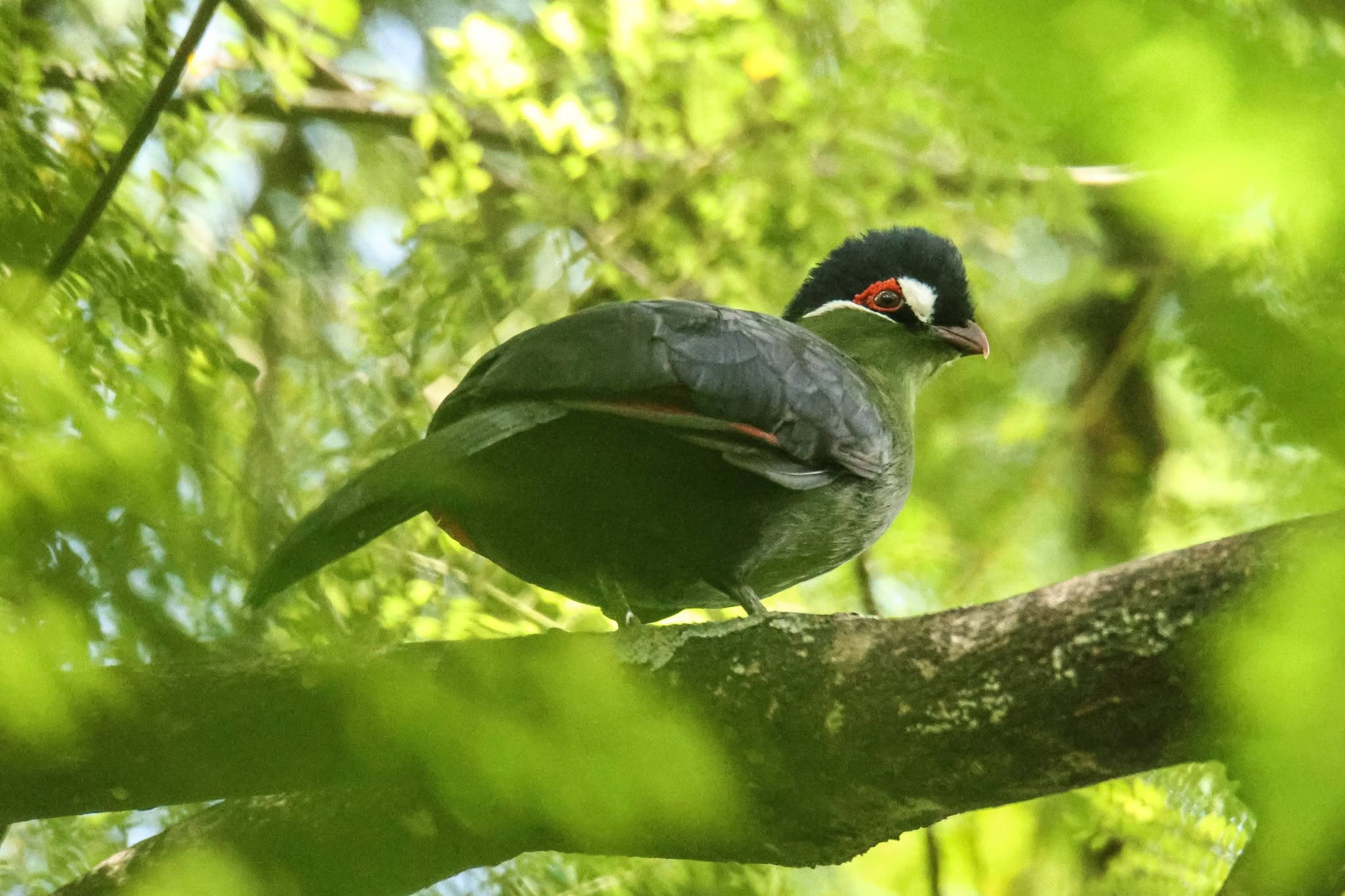
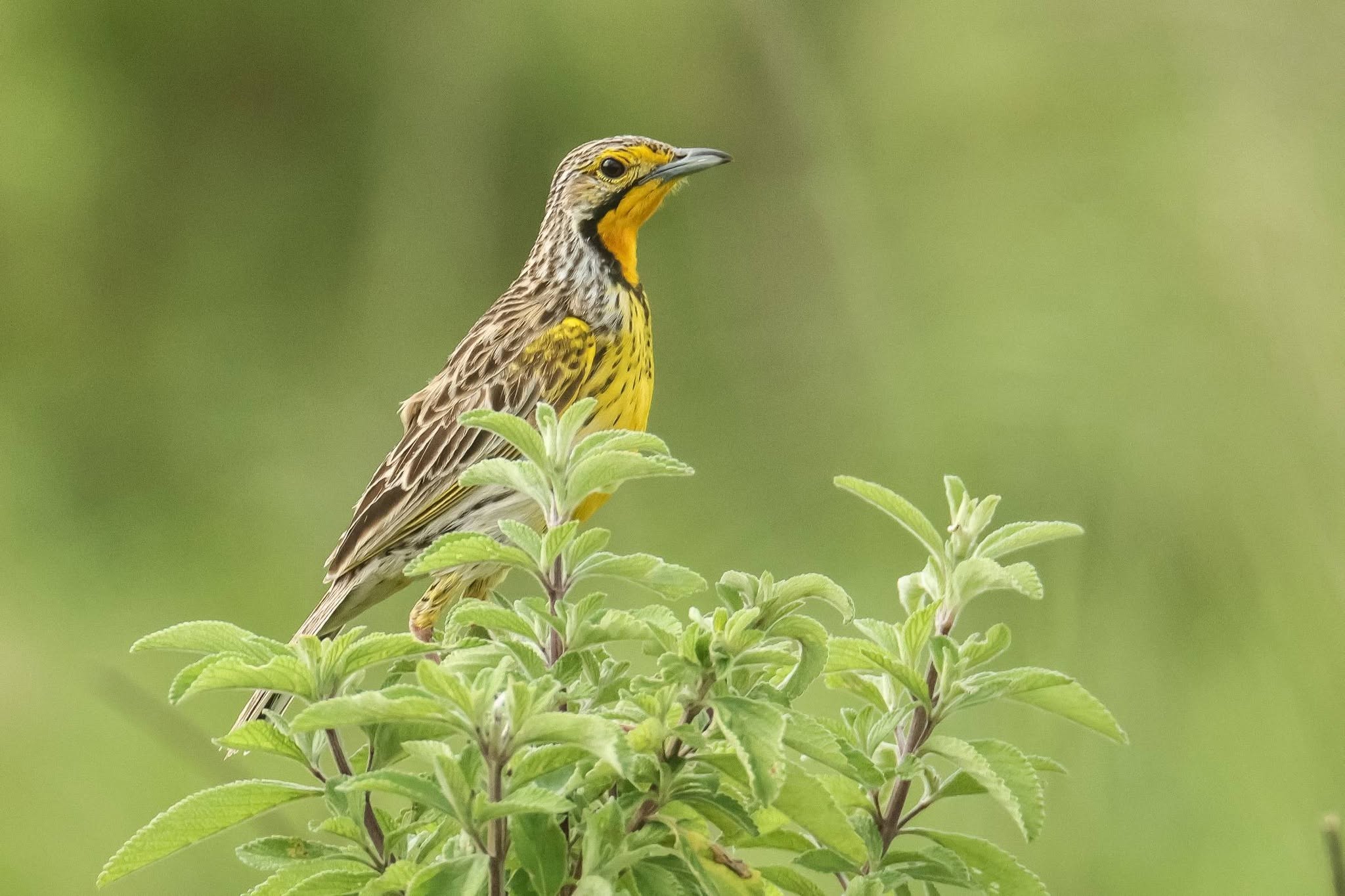
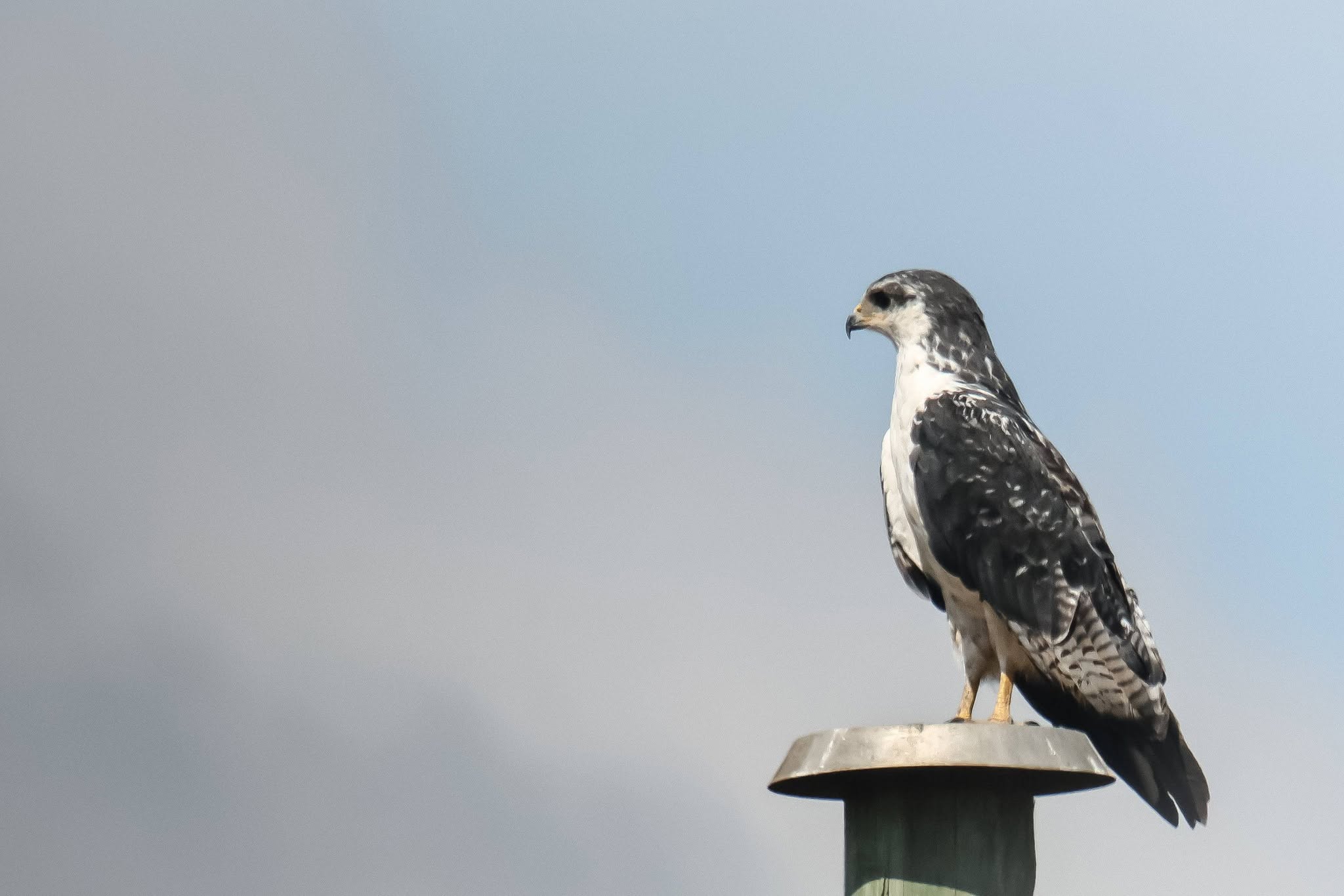
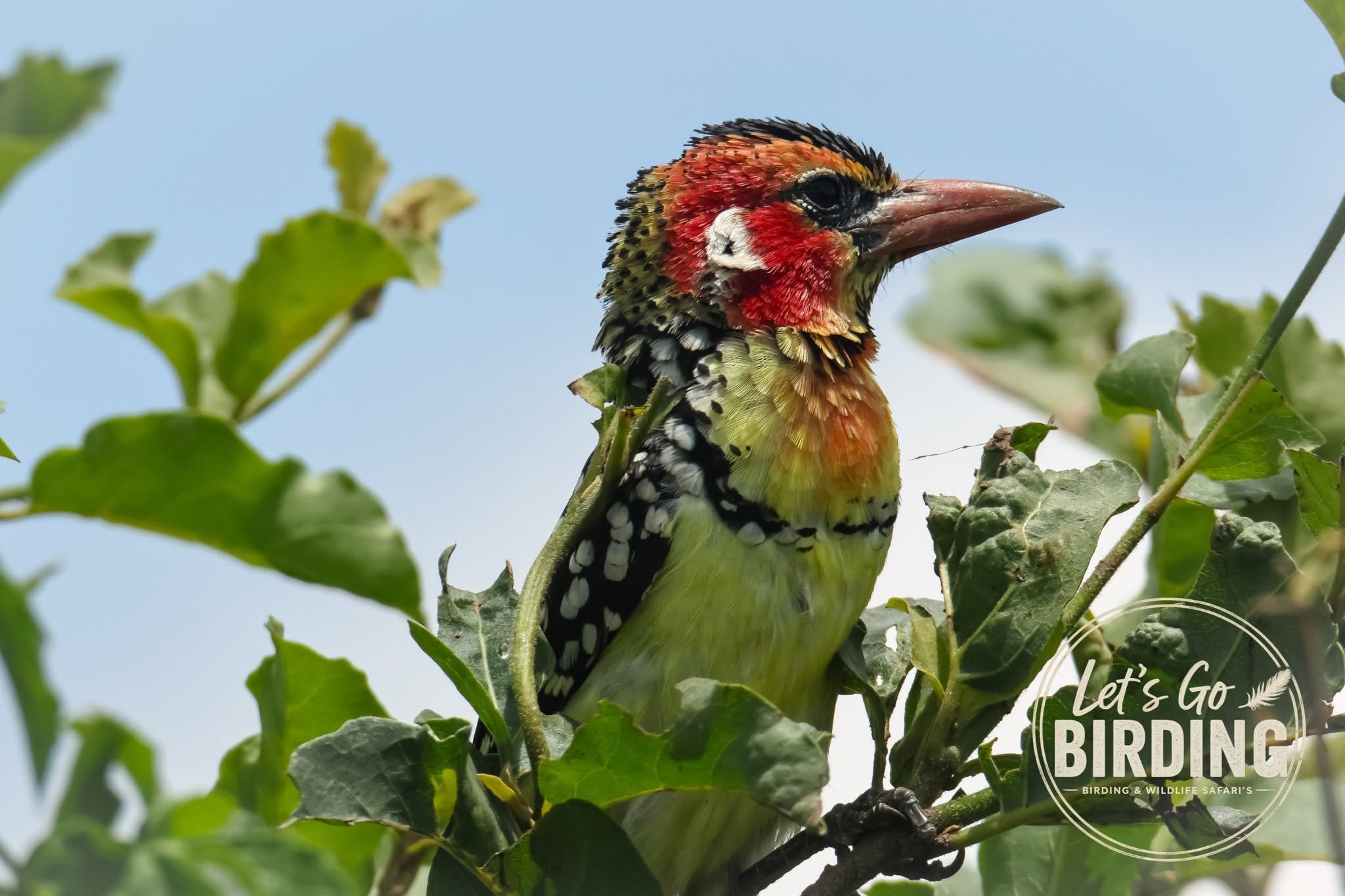
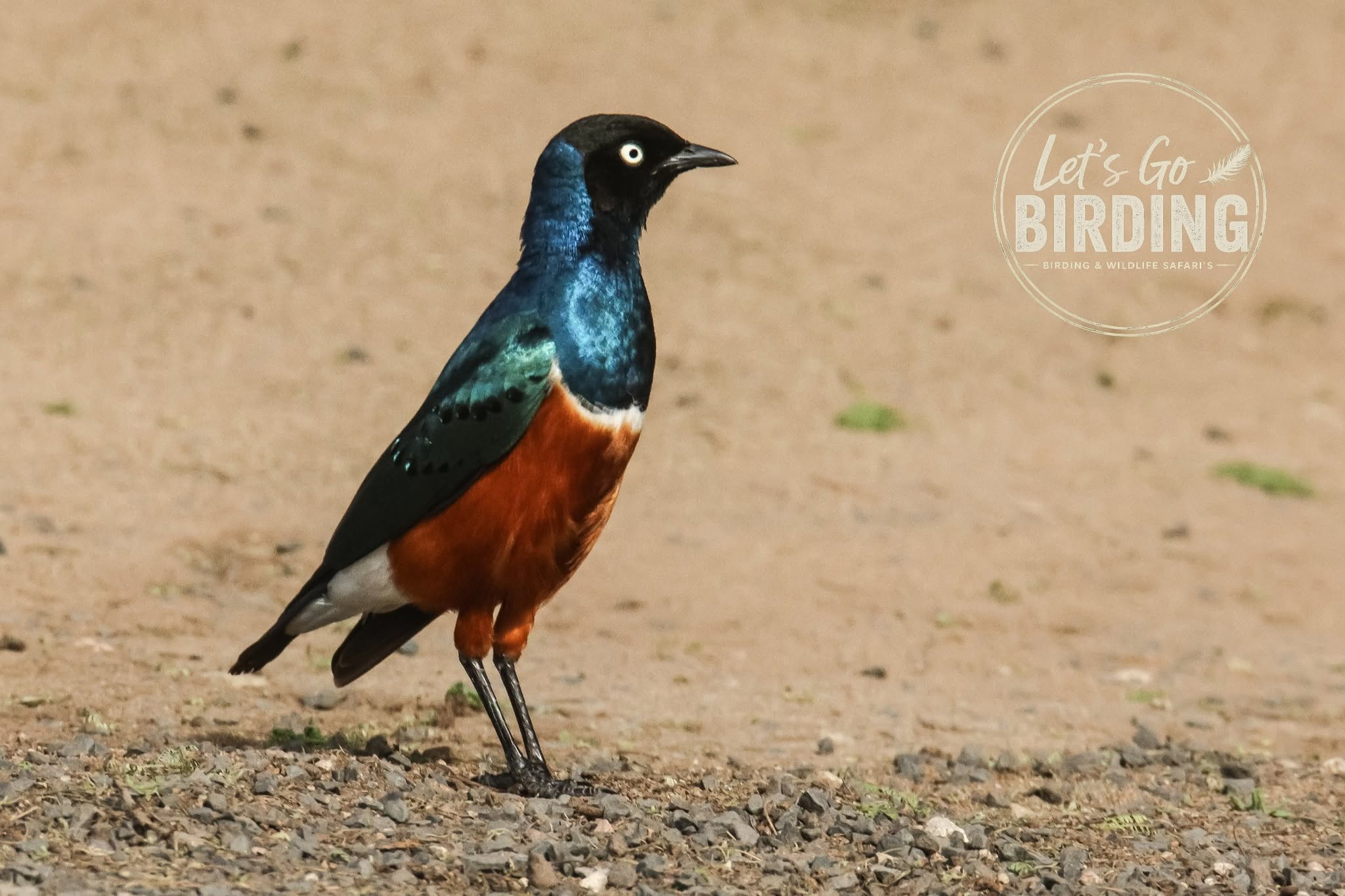
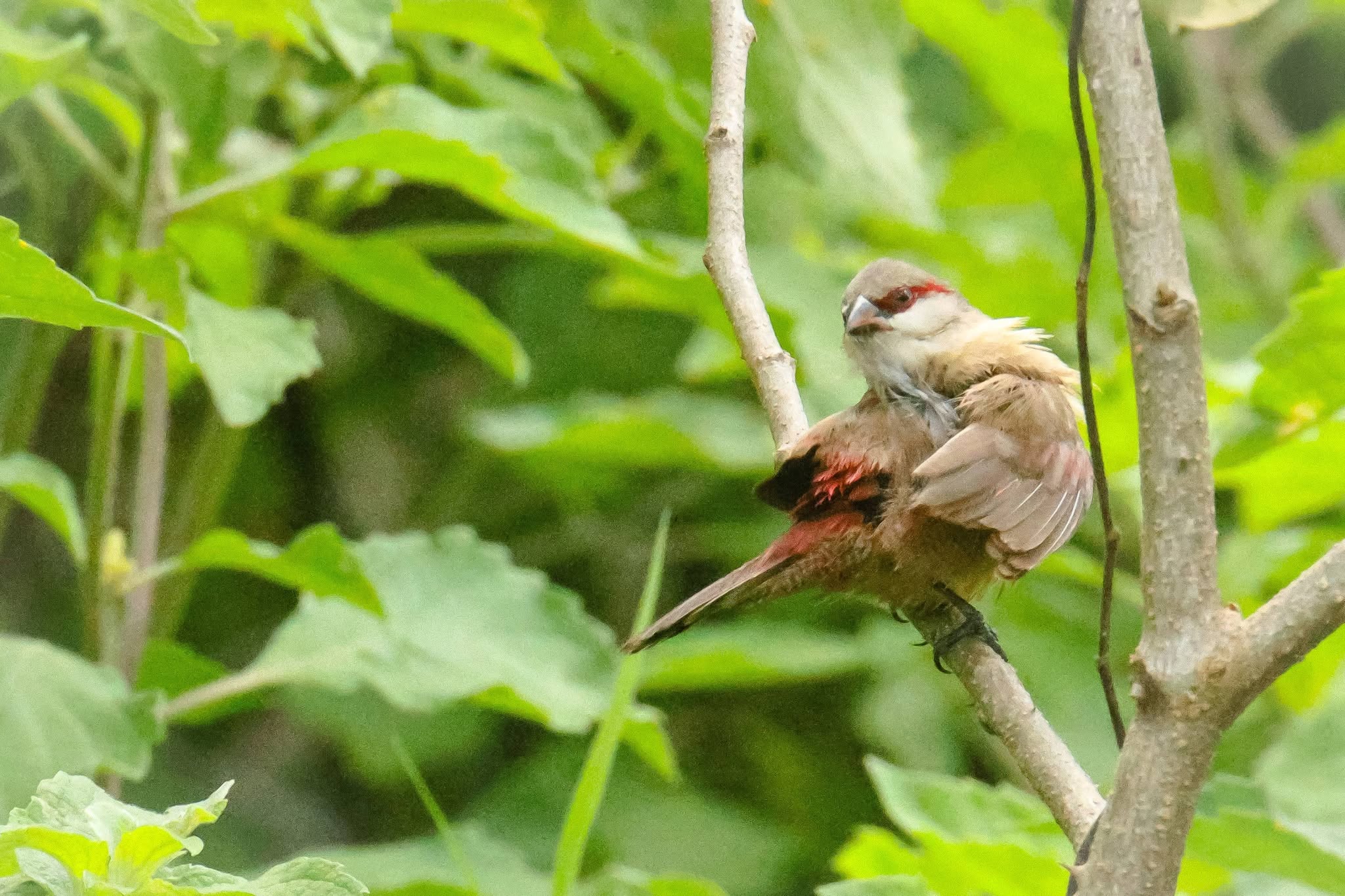
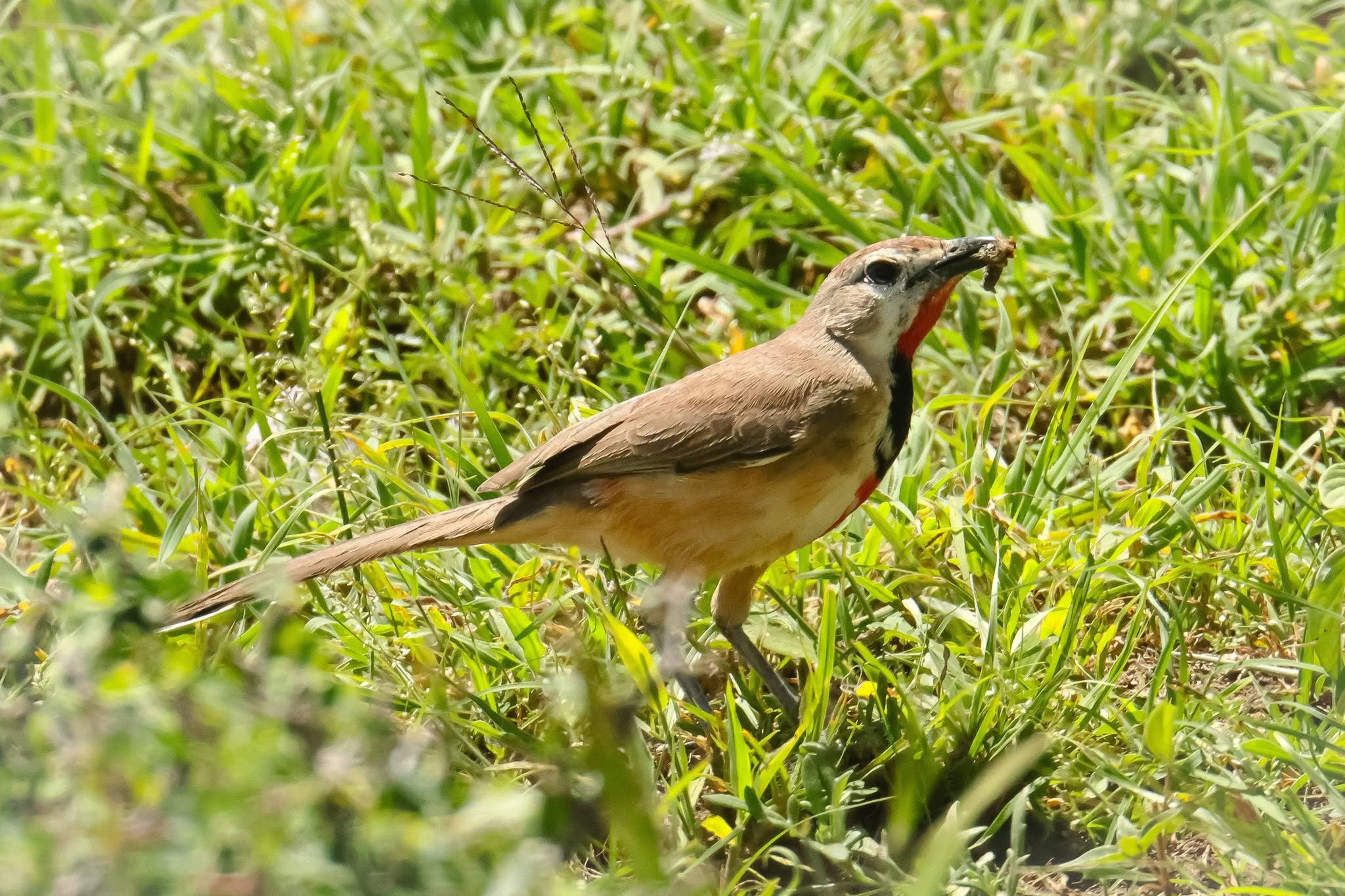
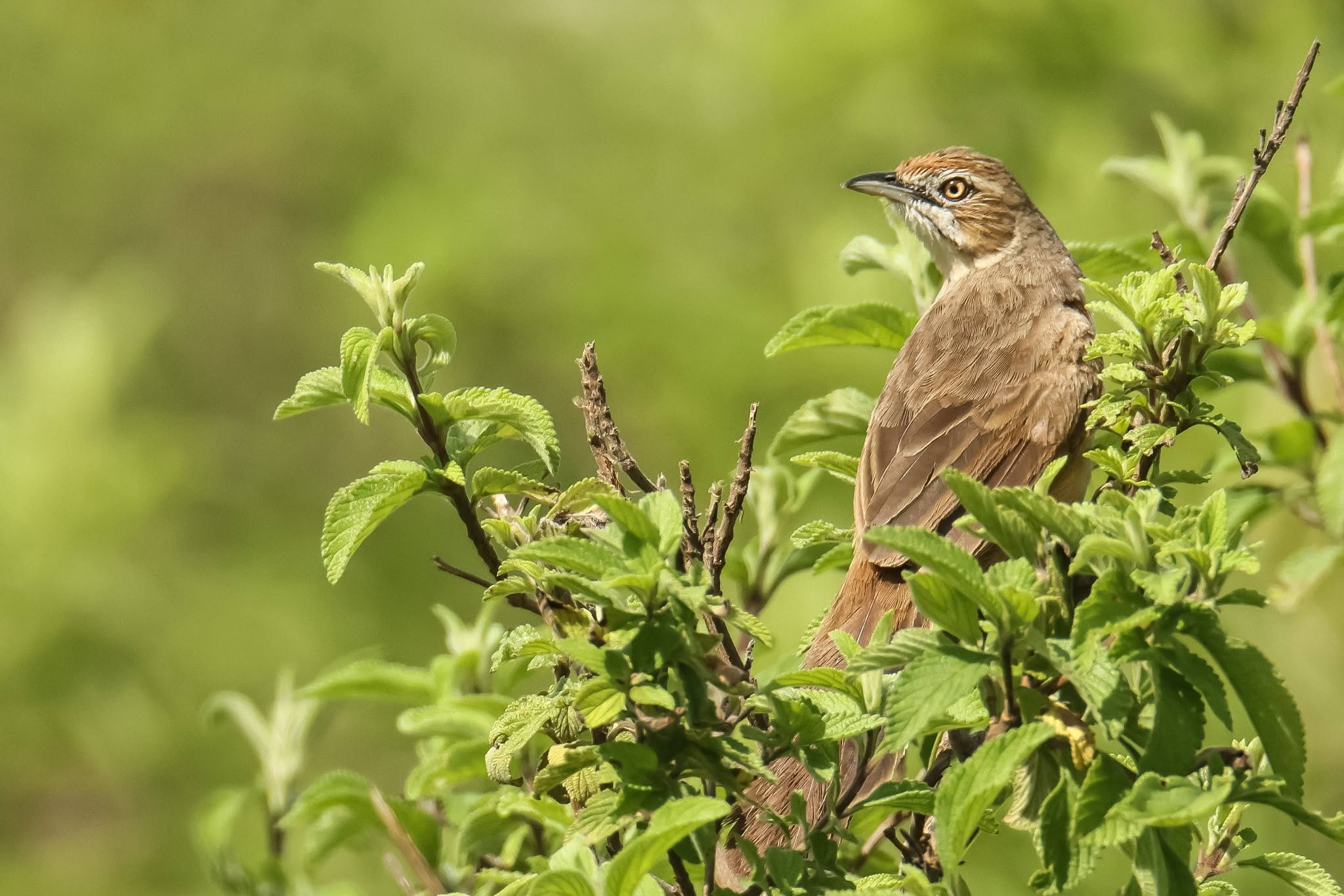
We hope you enjoy a couple of images from our trip in this article and if you want a guest report you can read the report written by Peter Doyle
Join us on one of our next trips
See you soon