3-Day Overberg Birding Tour: From Cape Rockjumpers to Forest Specials
October 2026 | Guided by Jacques Giliomee, Let’s Go Birding
Our October Overberg birding tour began with one particularly important bird on our guests’ wish list: the Blue Crane. Visiting from California, they were eager to see South Africa’s national bird, and the rolling farmlands of the Overberg formed a central part of our route.
But there was plenty to discover along the way. Over three days, we travelled from Cape Town through rocky mountain fynbos, coastal penguin habitat and open agricultural country, before exploring De Hoop Nature Reserve, the Breede River estuary and the indigenous forests of Grootvadersbosch.
Cape Rockjumpers, displaying Cape Clapper Larks, a Black Harrier and an unexpected dolphin encounter all contributed to a memorable journey.
Day 1: Coastal Birding, Cape Rockjumpers and Blue Cranes
Following Clarence Drive to Rooiels
We collected our guests from The Winchester Hotel in Cape Town at 06:30 and headed towards Gordon’s Bay, where we joined Clarence Drive.
With steep mountain slopes on one side and False Bay on the other, this coastal route provided a beautiful introduction to the Cape. Rocky slopes, sheltered gullies and coastal vegetation created a varied setting for our first birding stops.
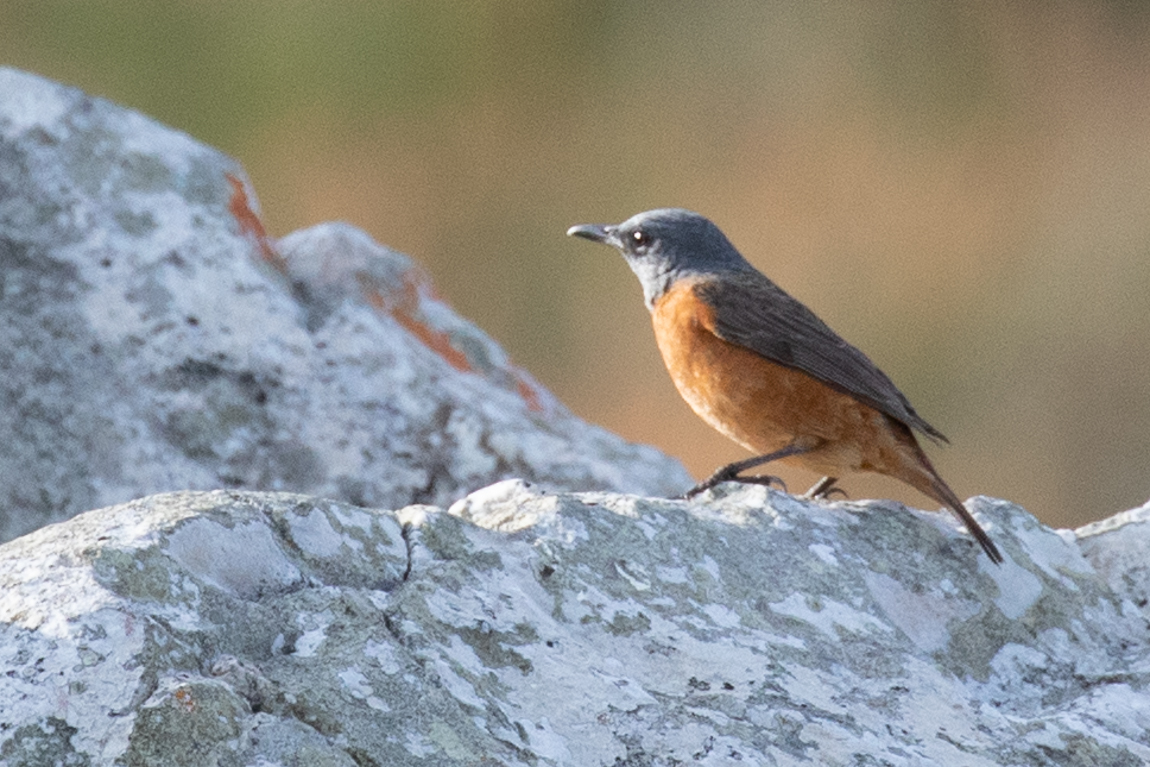
Rain kept activity quiet at our usual roadside coffee stop, where we often look for Cape Rock Thrush. We continued to Rooiels, and our patience was soon rewarded.
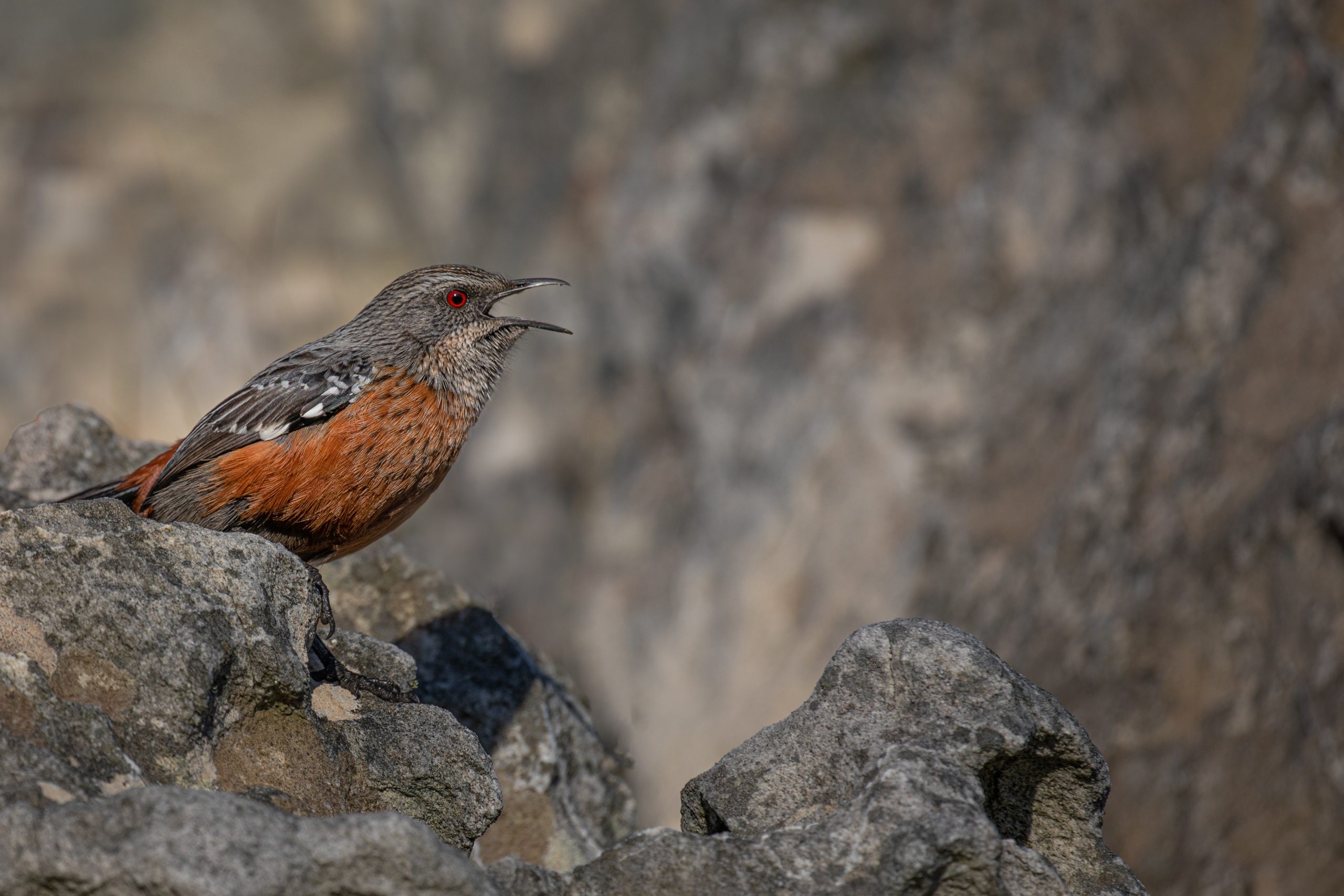
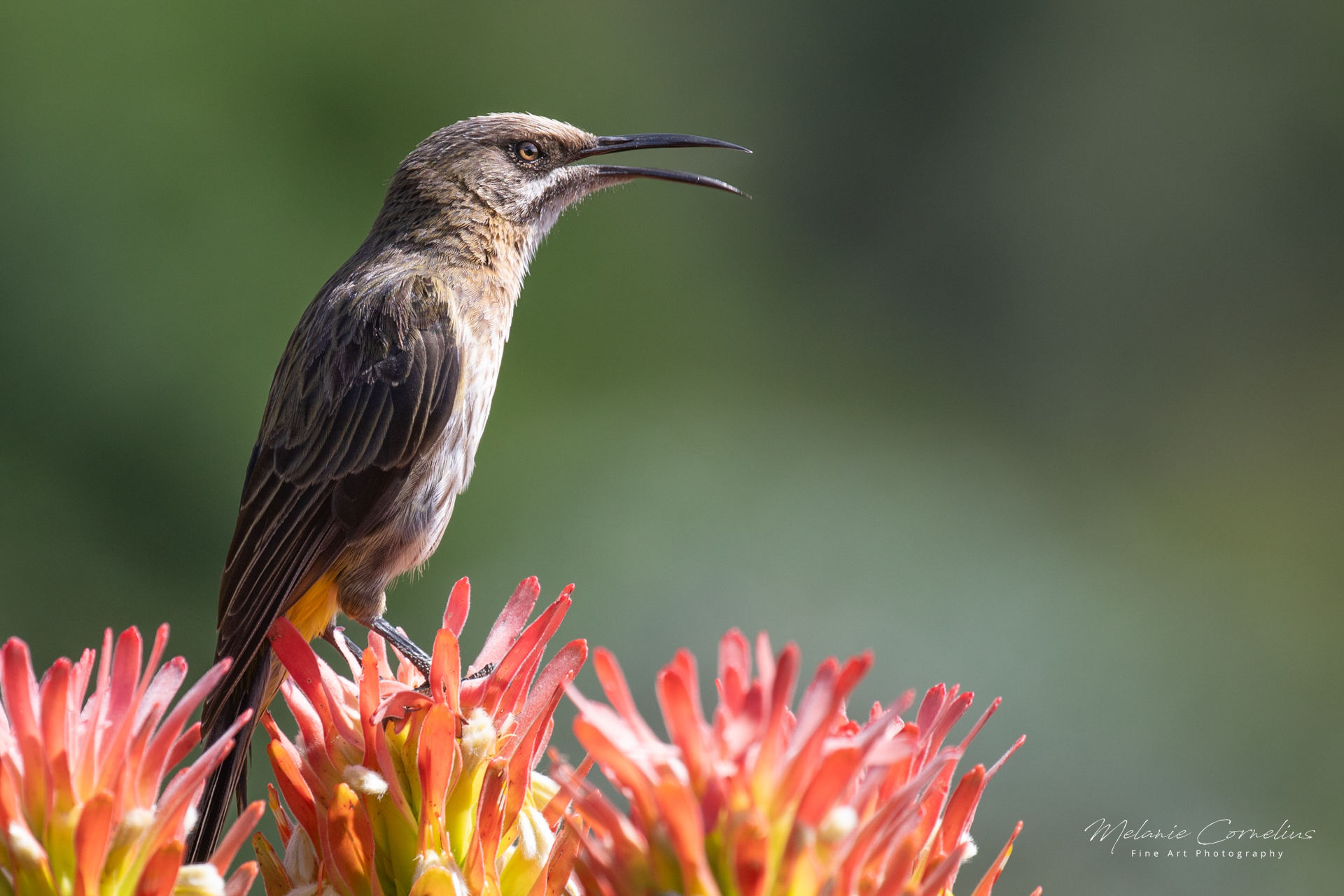
Cape Rockjumpers were the highlight here, accompanied by Cape Sugarbird, Orange-breasted Sunbird, Cape Grassbird, Grey-backed Cisticola and Familiar Chat. Watching these birds against the rugged mountain-and-ocean backdrop was a wonderful start to the tour.
There was plenty of other wildlife to enjoy too. Cape Fur Seals occupied the coastal rocks, while Klipspringer, Chacma Baboons and Cape Grey Mongoose added to our sightings.
African Penguins at Stony Point
Our next stop was Stony Point Nature Reserve in Betty’s Bay, where the rocky shoreline brought an entirely different bird community into view.
Alongside the African Penguins, we recorded all four of our target cormorants: Bank, Cape, Crowned and White-breasted Cormorants.
African Oystercatcher, Water Thick-knee and a selection of gulls added to the coastal birding. Between sightings, Rock Hyraxes, Southern Rock Agama and a Spiny-tailed Girdled Lizard gave us further reasons to study the rocks and surrounding vegetation.
Finding Our Guests’ Main Target in the Overberg
Leaving the coastline, we travelled via Caledon towards Bredasdorp. Mountain slopes gave way to the broad fields and grazing land of the Overberg wheatbelt.
This landscape also tells an important conservation story. Much of the region’s original renosterveld has been converted to agriculture, making the surviving fragments especially valuable. The Overberg Renosterveld Trust works to protect these threatened lowland habitats.
It was here that we found the bird our guests had been especially hoping to see: Blue Crane.
Securing their main target on the first day was a particularly happy moment. It also gave us time to appreciate the birds in their surroundings, rather than simply recording a sighting and moving on.
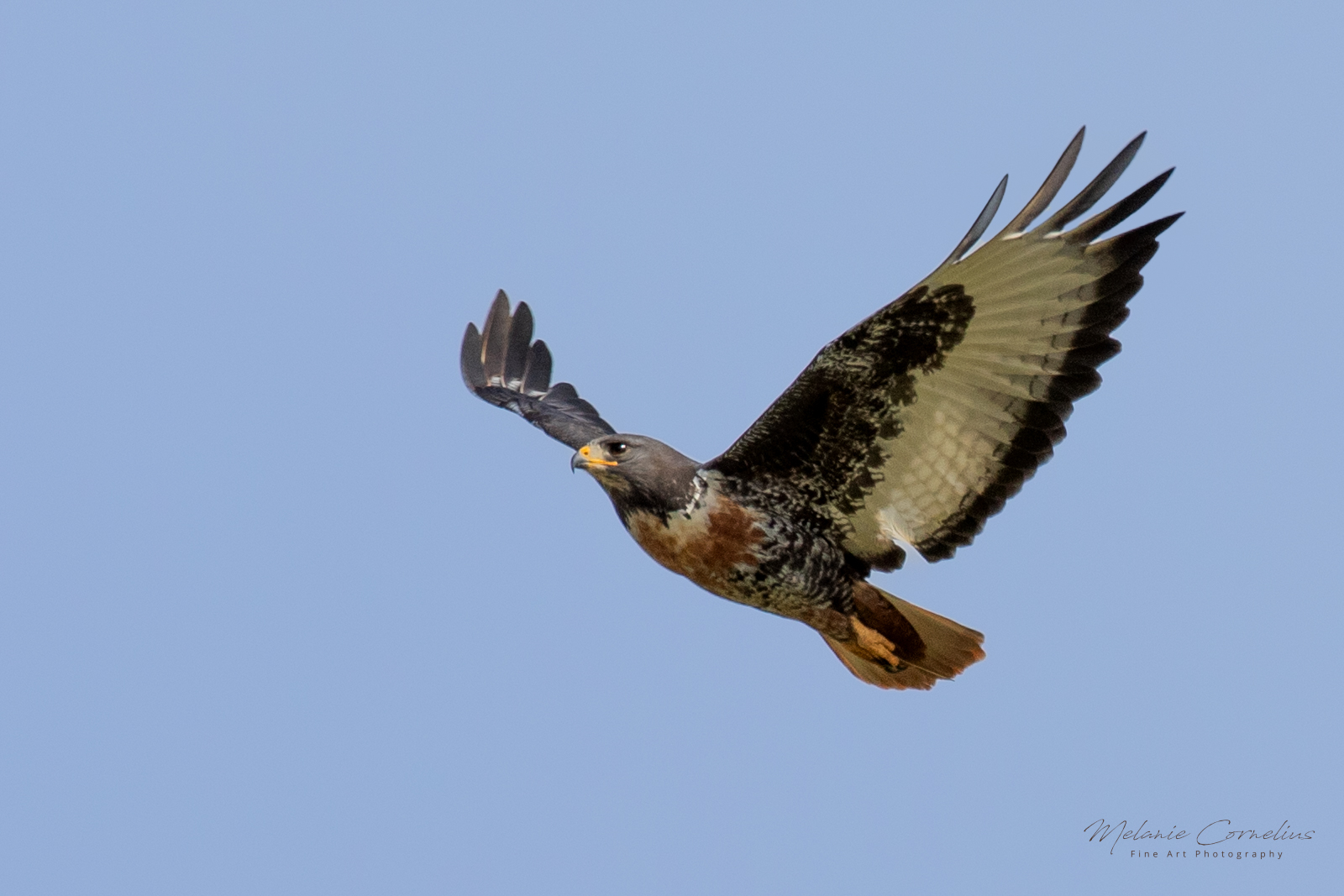
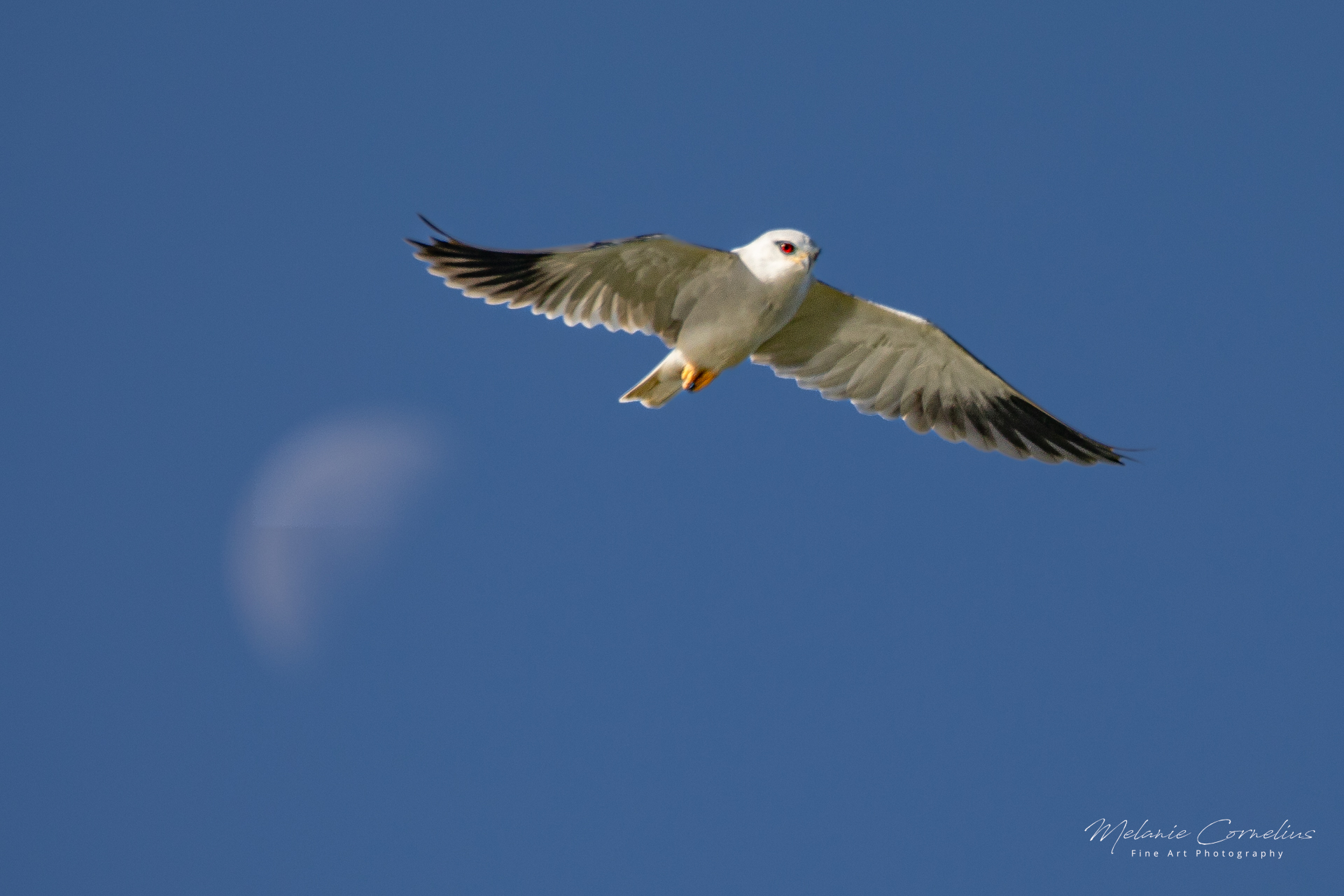
Jackal Buzzard, Black-winged Kite and Yellow-billed Kite added to our roadside birding. After lunch in Bredasdorp, we followed gravel roads past the De Hoop area towards Malgas and Infanta, finding Large-billed Lark, Agulhas Long-billed Lark, Red-capped Lark and Cape Vultures along the way.
An Afternoon Beside the Breede River
We arrived at Mudlark Riverfront Lodge shortly after 15:00. Situated beside the Breede River estuary, it would be our base for the next two nights.
After settling in, we walked along the river towards its mouth. Tidal waters, sandy shores and exposed feeding areas offered another change of habitat, with Caspian Tern, Eurasian Whimbrel, Eurasian Curlew and Common Greenshank among our sightings.
Our first day had taken us from mountain fynbos to a penguin colony, through open farmland and onto the edge of an estuary. Supper at Mudlark brought a rewarding day to a relaxed close.
Day 2: De Hoop Birding, Whales and an Unexpected Visitor
Black Harrier on the Road to De Hoop
After breakfast, we set off for De Hoop Nature Reserve. The gravel-road journey offered excellent birding before we even reached the entrance.
Bokmakierie and Common Buzzard were early additions, followed by a fantastic Black Harrier sighting. Denham’s Bustard provided another highlight, while several Steenbok added to the morning’s wildlife encounters.
Inside the reserve, Cape Mountain Zebras welcomed us into a landscape of open plains, fynbos and wetlands. Common Ostrich, Grey-winged Francolin, Bontebok and more Blue Cranes soon followed.
Southern Tchagra and Displaying Cape Clapper Larks
At a waterhole, we found Namaqua Sandgrouse before continuing to one of my regular Southern Tchagra spots. This time, it took less than two minutes to locate our target.
Birding does not always work out so neatly, which made this encounter particularly satisfying.
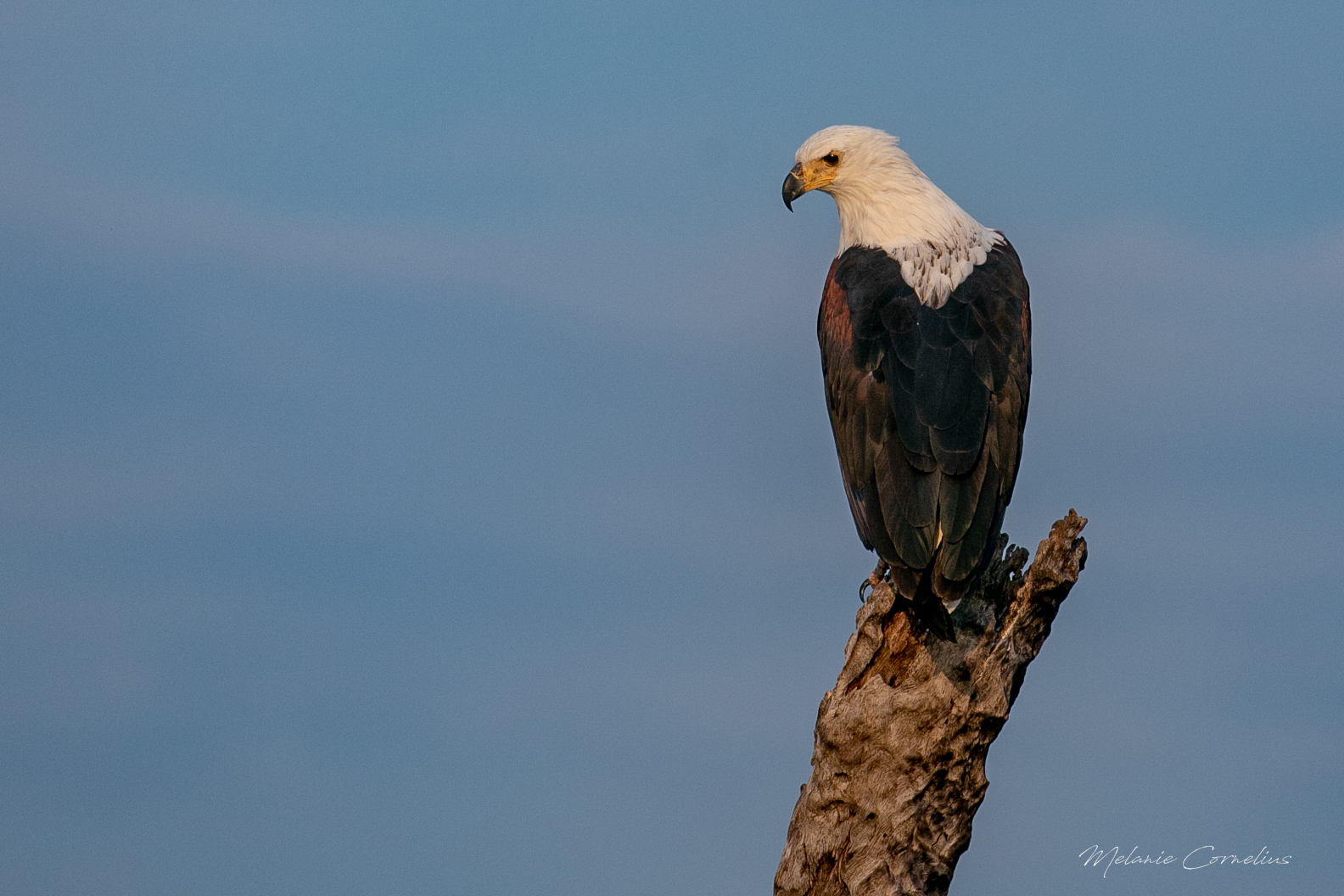
A walk around the De Hoop Collection restaurant area produced Lesser Honeyguide and a pair of Black Cuckooshrikes. Along the water’s edge, African Fish Eagle and Great Crested Grebe added to our growing list.
We then headed onto the open plains to look for Cape Clapper Larks. Their excellent displays became one of the morning’s most enjoyable encounters, giving us time to watch the behaviour that makes these birds so memorable.
Whale Watching and Waterbirds
Our route next took us towards the coast, where we hoped to find Southern Right Whales.
A whale close inshore rewarded the search, and we enjoyed the sighting during a coffee stop near the restaurant deck. A few Bottlenose Dolphins added to the marine wildlife viewing.
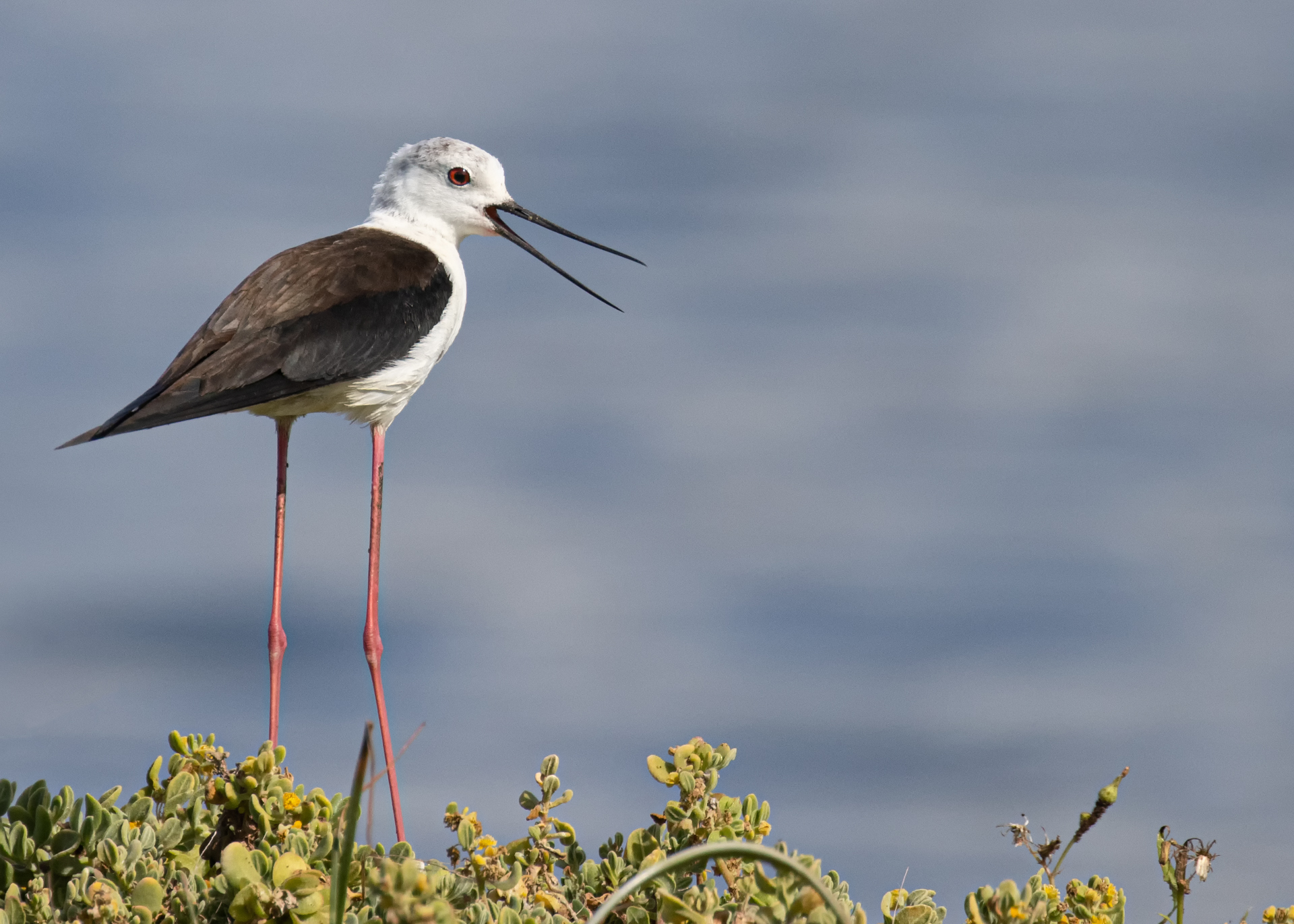
Returning inland, we stopped at Die Mond along De Hoop Vlei to scan the water and exposed mudflats. Cape Shoveler, Little Grebe, Black-winged Stilt, Little Stint and White-fronted Plover were among the birds recorded.
Eland and Grey Rhebok added further variety before we returned to the De Hoop Collection for lunch.
Later, we explored the open country towards Potberg in search of Secretarybird. It eluded us on this occasion, but the drive provided another perspective on the reserve’s surroundings. Potberg also supports the Western Cape’s only remaining breeding colony of Cape Vultures, connecting this part of the landscape with the birds we had seen the previous day.
Dolphins at Mudlark Lodge
Back at Mudlark, the day had one more surprise waiting for us.
While we sat on the stoep overlooking the Breede River, two Indian Ocean Humpback Dolphins passed the lodge on the high tide.
After a day of rewarding birding, antelope, zebras and coastal wildlife, watching dolphins move through the estuary directly in front of our accommodation was an extraordinary finish. There was no need for another drive or a planned excursion—we simply had to look up and enjoy the moment.
Day 3: Nightjars and Grootvadersbosch Forest Birding
An Early Start at the Estuary
Our final morning began at 05:00 with excellent views of Fiery-necked Nightjars at Mudlark Lodge.
The early start gave us one last special encounter beside the Breede River before we left for Grootvadersbosch Nature Reserve.
After two days dominated by open landscapes, the indigenous forest offered a welcome contrast. Tall trees, shaded trails and dense vegetation called for a slower approach, with careful listening becoming just as important as watching.
Forest Birds of the Langeberg
We had set aside three hours for forest birding, and the session proved productive.
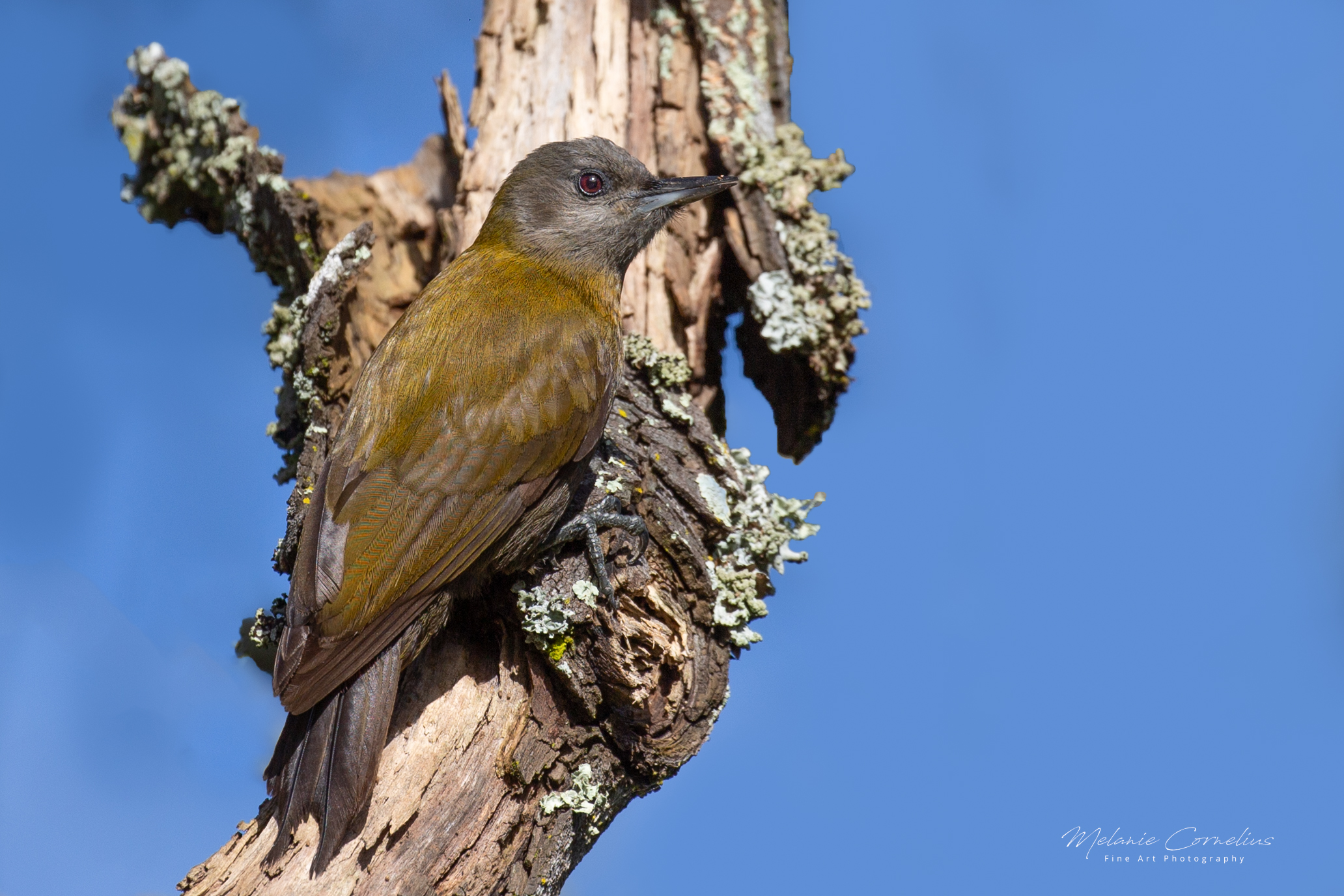
Olive Bushshrikes, Olive Woodpecker, Blue-mantled Crested Flycatchers, African Dusky Flycatchers, African Olive Pigeons and Forest Canaries all gave us good views.
Terrestrial Brownbuls and Red-chested Cuckoos were heard calling, although they remained out of sight. Narina Trogon also eluded us, leaving a good reason to return.
Duiker, Yellow Mongoose and several Bushbuck provided welcome distractions between bird sightings. We ended the morning with Victorin’s Warblers, a rewarding final addition before beginning our drive back to Cape Town.
Our journey concluded at the Mount Nelson, where we dropped off our guests after three wonderfully varied days.
Three Days of Birding Across Remarkably Different Habitats
The variety of this Overberg birding tour was one of its greatest pleasures.
We searched rocky fynbos slopes for Cape Rockjumpers, watched penguins and cormorants along the coast, found Blue Cranes in the wheatbelt and enjoyed displaying larks on De Hoop’s open plains. The Breede River added estuary birds and unexpected dolphins, while Grootvadersbosch brought a final morning of forest discoveries.
Our guests’ main target was secured on Day 1, but the memorable encounters continued right up to our final morning.
For anyone who enjoys combining focused birding with landscapes and other wildlife, this journey showed just how much can be experienced over three days.
To enquire about a guided Overberg birding tour from Cape Town, contact Jacques Giliomee at Let’s Go Birding.
Photo Gallery: October 2026 Overberg Tour
Explore our gallery photographed during the tour.
Join us on one of our next trips
See you soon