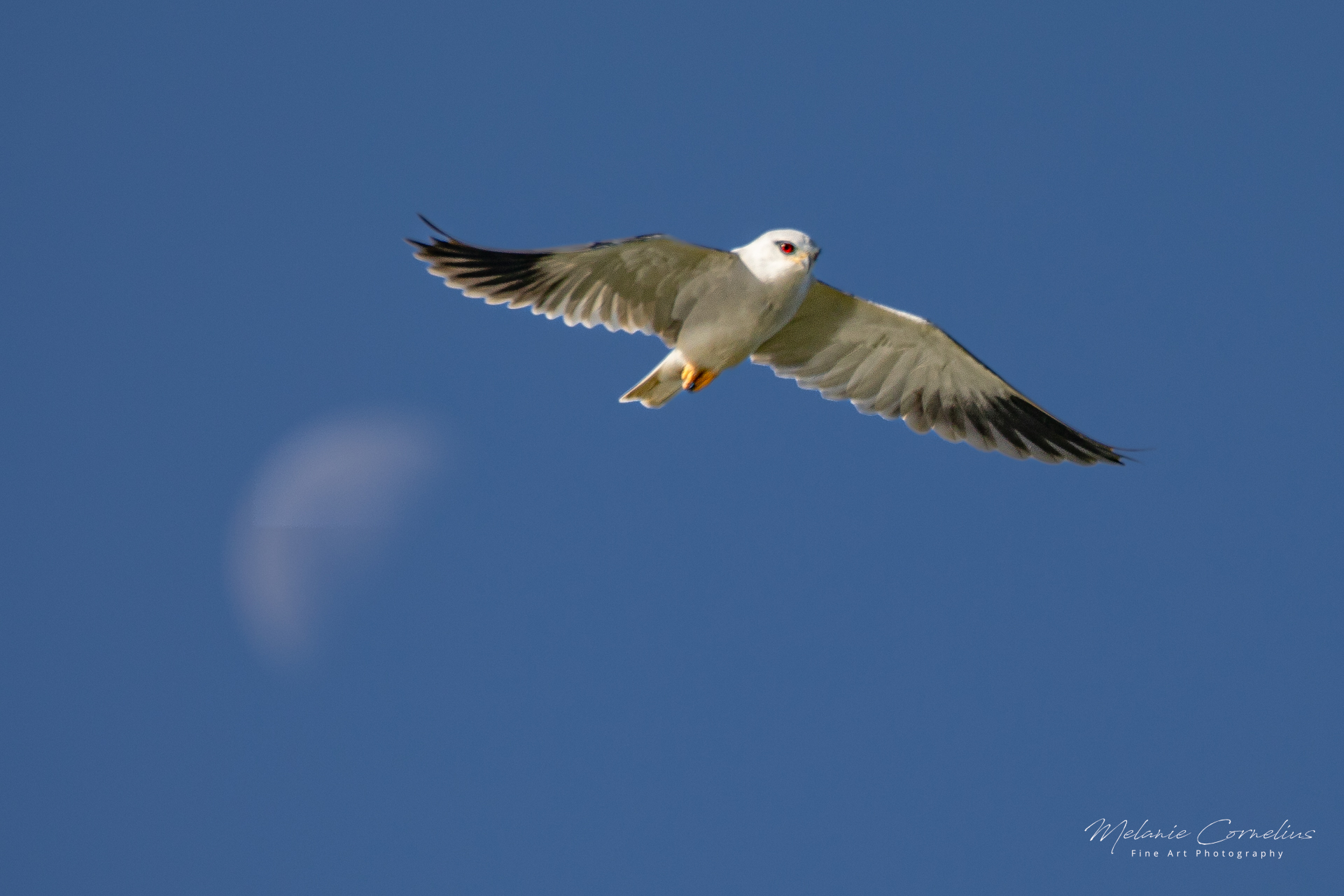
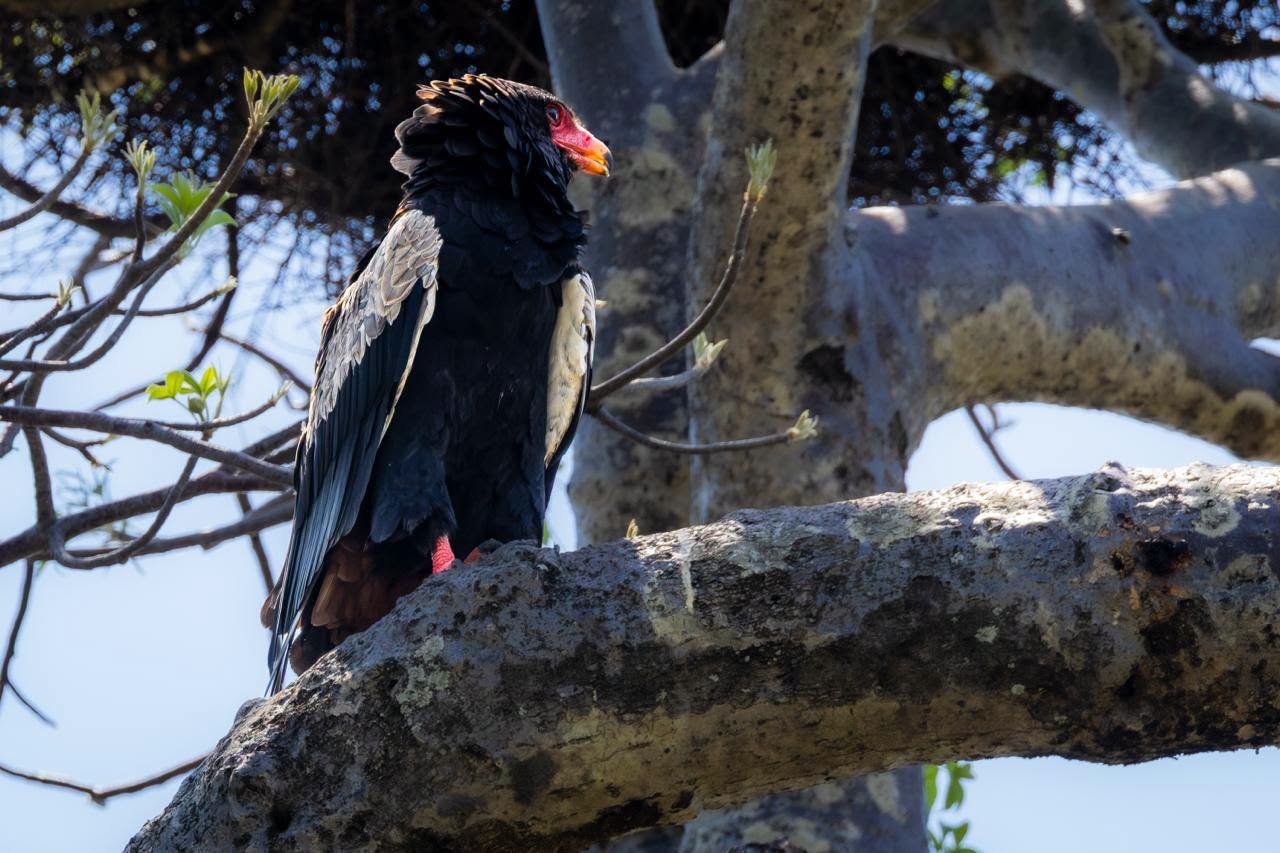
7-Day Kruger Birding Tour: In Search of the Pennant-winged Nightjar
Let’s Go Birding
Guides: Viljoen of Africa Wild Photo and Jacques Giliomee of Let’s Go Birding
Our seven-day Kruger birding tour took us from the Blyde River into Kruger National Park, north through mopane country to Punda Maria and Pafuri, before travelling south through the central savannas towards Satara and Skukuza.
Changing landscapes brought new birds and wildlife throughout the journey. We explored riverbanks, extensive mopane woodlands, Pafuri’s magnificent riverine forests and the open plains of central Kruger. By the end of the tour, we had recorded close to 220 bird species, with our main target—the spectacular Pennant-winged Nightjar—providing an unforgettable highlight.
Day 1 — Cape Town to the Blyde River
Our adventure began with a 09:00 flight from Cape Town International Airport, arriving at Kruger Mpumalanga International Airport at 11:20. Viljoen was waiting with the open safari vehicle, ready to welcome our guests to the Lowveld.
We stopped in Hazyview for lunch before continuing to Blyde Mountain Country House in the Hoedspruit area. Travelling beneath the eastern escarpment, we exchanged the Cape’s familiar landscapes for the warmer woodlands and river valleys of the Lowveld.
After settling in, we headed out for a short afternoon birding session along the Blyde River and around the bridge near the well-known Jessica the Hippo attraction.
The flowing river, wooded banks and surrounding vegetation provided a rewarding introduction to Lowveld birding. We recorded Long-crested Eagle, Trumpeter Hornbill, Mountain Wagtail, Fan-tailed Widowbird, Black-backed Puffback, White-bellied Sunbird, Burchell’s Coucal and Wire-tailed Swallow.
Mountain Wagtails were a particularly pleasing find beside the river, while the hornbills and puffbacks introduced us to the woodland birds that would feature throughout our journey.
Impala, Blue Wildebeest, Grey Duiker and Vervet Monkeys provided welcome distractions between bird sightings. It was an enjoyable first afternoon, setting the scene for the days ahead.
Day 2 — Birding Northern Kruger: Phalaborwa to Shingwedzi
We left the Blyde River behind at 05:00 and travelled towards Phalaborwa Gate. A stop at a bridge over the Olifants River quickly demonstrated why river crossings are always worth checking.
Hippopotamus and Nile Crocodile were joined by Giant Kingfisher, Black Stork, Hamerkop, Brown-throated Martin, Lesser Striped Swallow, African Harrier-Hawk and Little Swift. Open water, exposed banks and surrounding trees kept everyone busy.
At Phalaborwa Gate, Scarlet-chested and White-bellied Sunbirds, Arrow-marked Babblers, Crested Francolin, Southern Red-billed Hornbill and Southern Yellow-billed Hornbill added to the morning’s sightings.
News of flood damage required a change to our intended route. Our first African Elephant soon appeared, providing a fitting welcome to Kruger National Park.
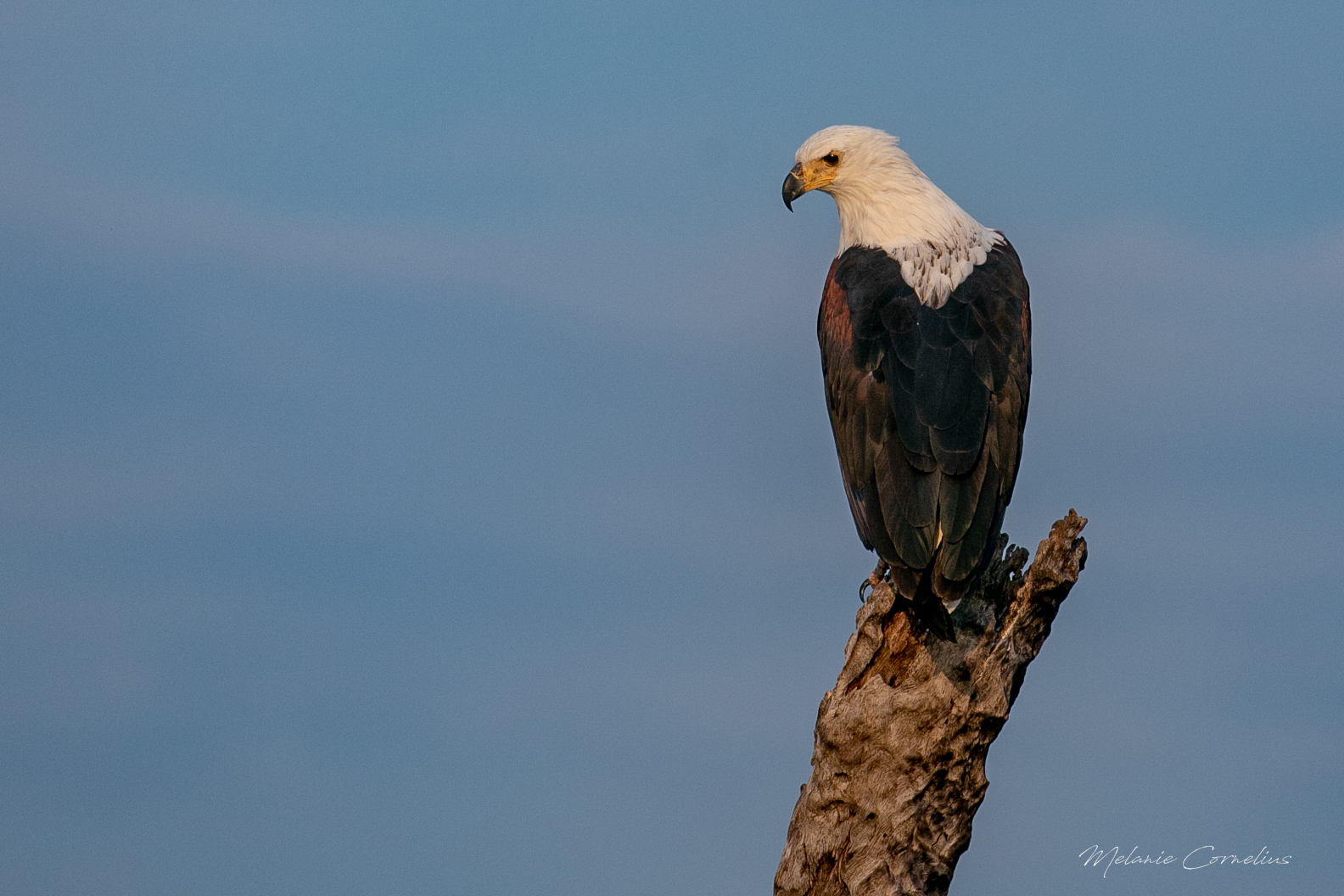
A coffee stop at Sable Hide produced Wahlberg’s Eagle, African Fish Eagle, African Spoonbill and Slender Mongoose. We then continued towards Letaba, recording Warthog and Waterbuck before a gathering of scavengers drew our attention.
Numerous White-backed Vultures circled overhead, while a nervous Spotted Hyena stood in the road nearby. An African Buffalo carcass explained the activity. The animal appeared to have died without obvious signs of a predator kill, although we could not establish the cause of death. The vultures were feeding actively, but no lions were visible.
As we travelled north, mopane became an increasingly prominent feature of the landscape. Recognisable by its paired, butterfly-shaped leaflets, this tree forms extensive woodlands across northern Kruger. Depending on soils and local conditions, it grows as either low scrub or taller woodland, creating quite different settings for birding.
Lunch at Letaba brought Brown-headed Parrot, Bennett’s Woodpecker and Green Wood Hoopoe. The camp’s mature trees and nearby river offered a welcome contrast to the surrounding drier woodland.
A scan from the Letaba bridge added Wood Sandpiper and Yellow-billed Stork. Farther north, Plains Zebras appeared before we turned into Tsendze Rustic Camp to search for African Scops Owl.
We enjoyed excellent views of this tiny, beautifully camouflaged owl, with African Barred Owlet and Pearl-spotted Owlet making the stop even more rewarding.
After cold drinks at Mopani, we continued towards Shingwedzi, encountering Giraffes, Waterbuck and further groups of zebra along the way.
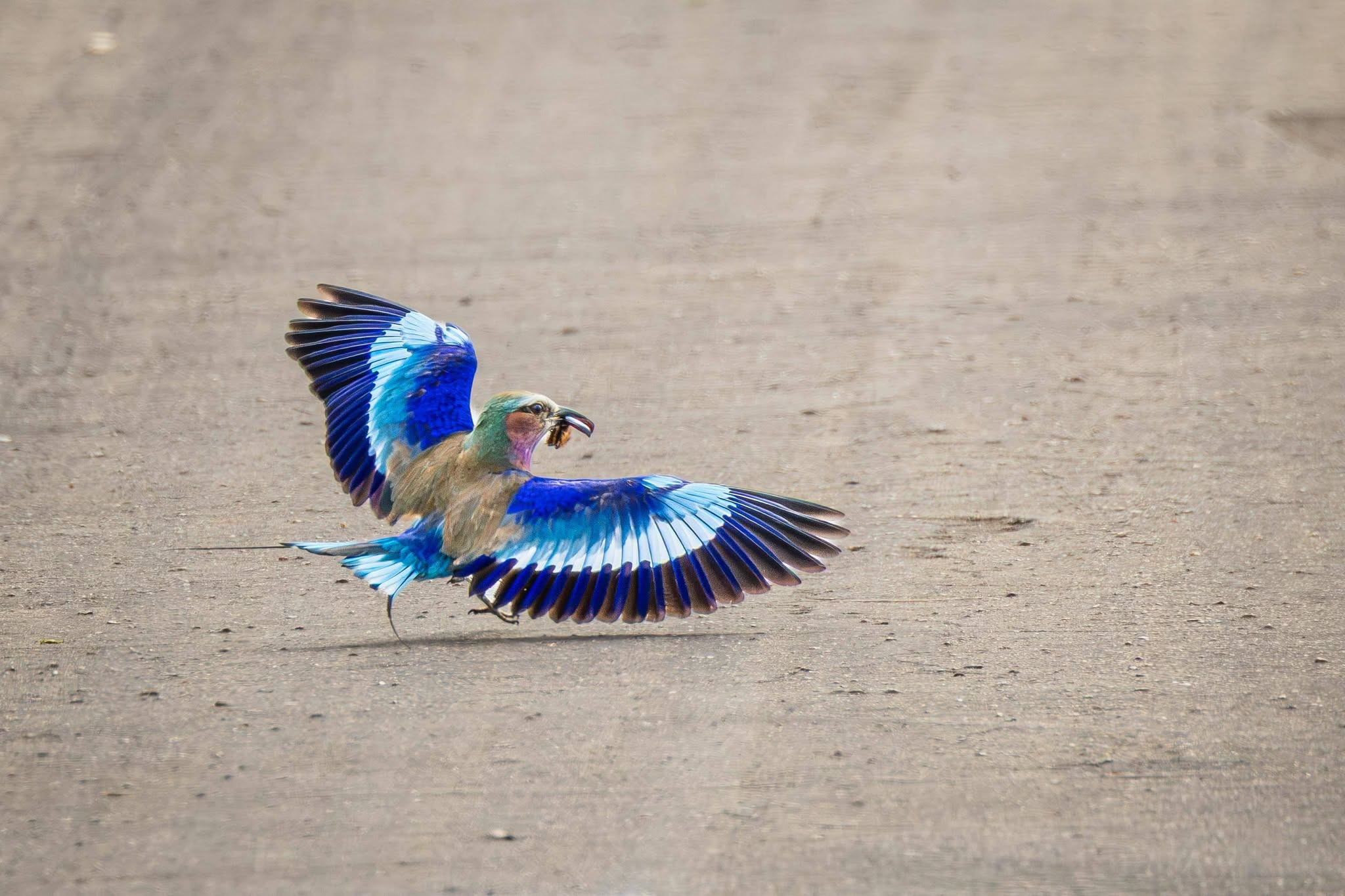
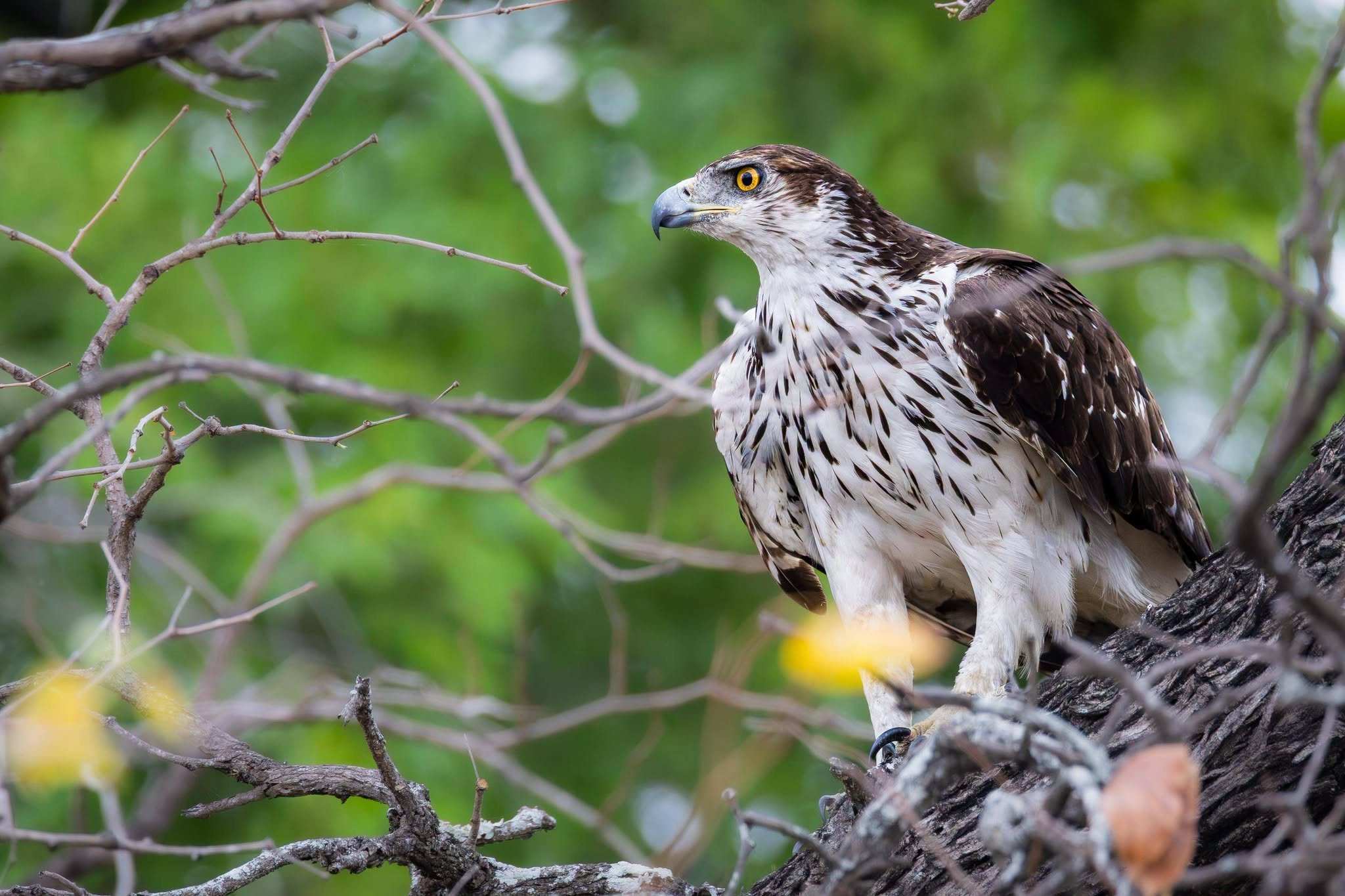
Birding remained productive throughout the long drive. Other species recorded included Brown-hooded Kingfisher, Red-headed Weaver, Common Scimitarbill, Stierling’s Wren-Warbler, Lilac-breasted Roller, African Hawk-Eagle, Bateleur, Red-crested Korhaan, African Openbill, Red-billed and Yellow-billed Oxpeckers, Orange-breasted Bushshrike, Sabota Lark, Southern Ground Hornbill, White-headed Vulture, Goliath Heron, Black-chested Snake Eagle and Martial Eagle.
We arrived at Shingwedzi shortly before 18:00. Our combined list for the first two days had already reached 120 bird species.
Day 3 — Punda Maria and the Pennant-winged Nightjar
Another early start saw us leave at 05:30 for approximately an hour and a half of birding along the Mashakadzi loop.
The Shingwedzi area combines extensive mopane woodland with richer vegetation along its river corridors and drainage lines. These wooded strips provide valuable shelter and feeding opportunities, making them especially rewarding during the cooler morning hours.
Our sightings included Ashy Flycatcher, White-browed Scrub Robin, Yellow-throated Bush Sparrow, Crested Barbet, Double-banded Sandgrouse, Magpie Shrike, Red-billed Buffalo Weaver, Brown Snake Eagle, Bleating Camaroptera, Bennett’s Woodpecker, Red-billed Firefinch, Cardinal Woodpecker, Southern Black Tit and Natal Spurfowl.
We returned to camp, packed and began our journey towards Punda Maria, stopping at Babalala picnic site for a break and our packed lunch.
Temperatures climbed to approximately 38–40°C, slowing activity during the final stretch. Nevertheless, Little Bee-eater, Tawny Eagle, two Red-faced Cisticolas, Lappet-faced and White-backed Vultures, and Black Cuckooshrike kept the birding interesting.
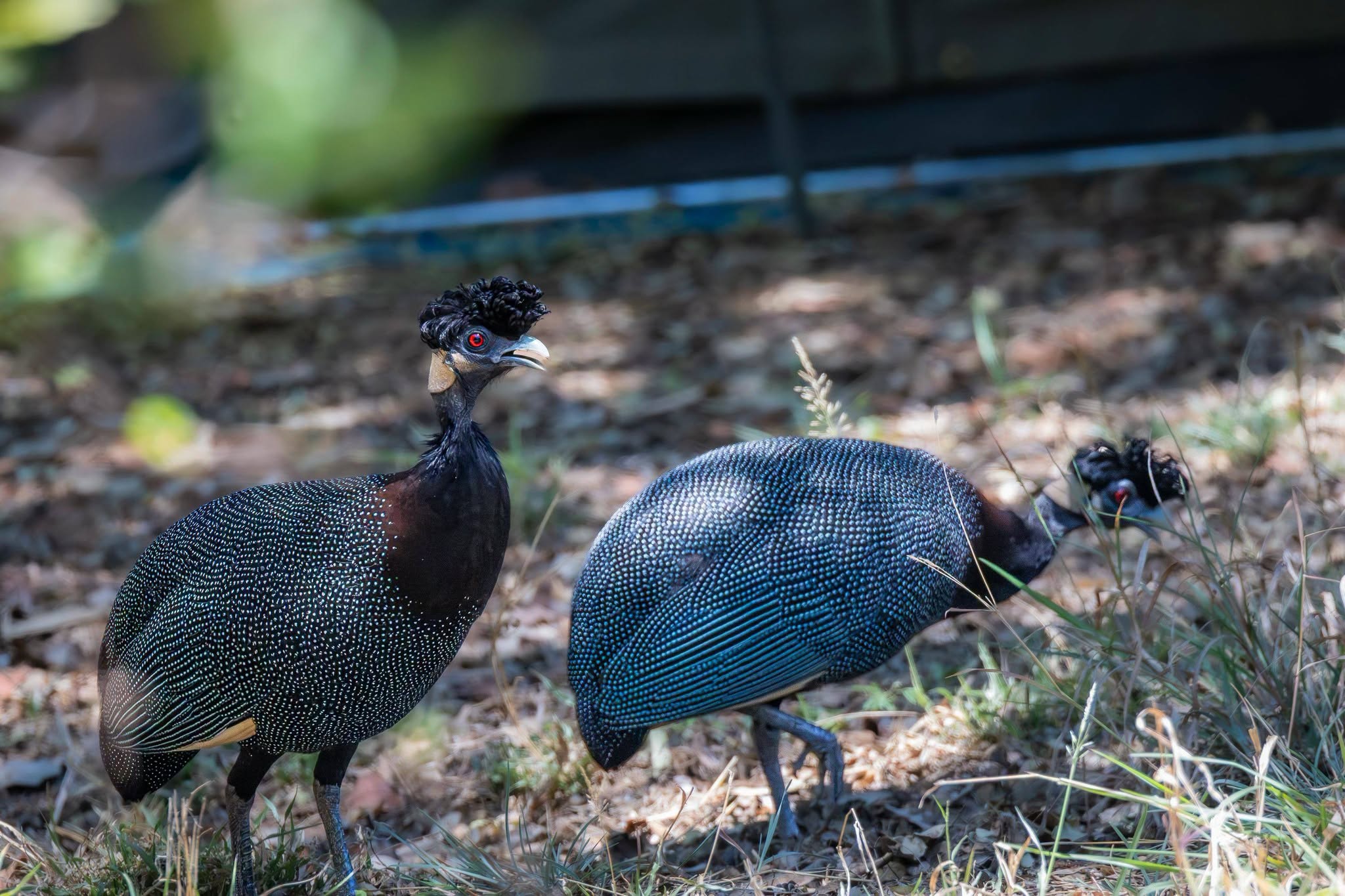
Crested Guineafowl greeted us as we entered Punda Maria. After a welcome rest during the hottest part of the day, we regrouped at 16:15 for our sunset outing.
Punda Maria’s mixed woodland offered another change from the extensive mopane landscapes farther south. Purple-pod Cluster-leaf, also known as Terminalia prunioides, is among the characteristic trees of northern Kruger’s mixed woodlands. Its colourful winged fruits are particularly distinctive when present.
With one main target in mind, we headed towards our Pennant-winged Nightjar site, adding Jacobin Cuckoo, Purple Roller and a juvenile Martial Eagle along the way.
As the sun dropped towards the horizon, the Pennant-winged Nightjar appeared, treating us to approximately 20 minutes of spectacular viewing. Several passes took it directly over our heads, its extraordinary pennants creating the unmistakable silhouette we had hoped to see.
This was the main target of our annual October–November Kruger birding tour, and the sighting maintained our 100% success rate up to and including this trip. It was undoubtedly the bird of the day and, at this stage, the highlight of the tour.
Our mammal list also grew with Chacma Baboon, Greater Kudu, Nyala, Banded Mongoose, Blue Wildebeest, Tsessebe, Springhare and Scrub Hare recorded during the day and evening.
Day 4 — Mahonie Woodland, Pafuri Birding and Nocturnal Wildlife
We left Punda Maria at 05:30 for a morning drive around the Mahonie loop.
The varied woodland and dense thickets produced Golden-breasted Bunting, Levaillant’s Cuckoo, African Green Pigeon, Eastern Nicator, Purple-crested Turaco, Southern Black Flycatcher, Jacobin Cuckoo, Crowned Hornbill and Spotted Flycatcher.
A Gorgeous Bushshrike called repeatedly towards the end of the drive but remained hidden in the vegetation. It was a classic encounter with a species that can be much easier to hear than to see.
After packing and enjoying breakfast at the restaurant, we continued north via the S61 towards Klopperfontein Dam.
White-fronted Bee-eaters and Mosque Swallows were active around the water, where Hippopotamus and a small Nile Crocodile were also present. We added our first African Jacana of the tour.
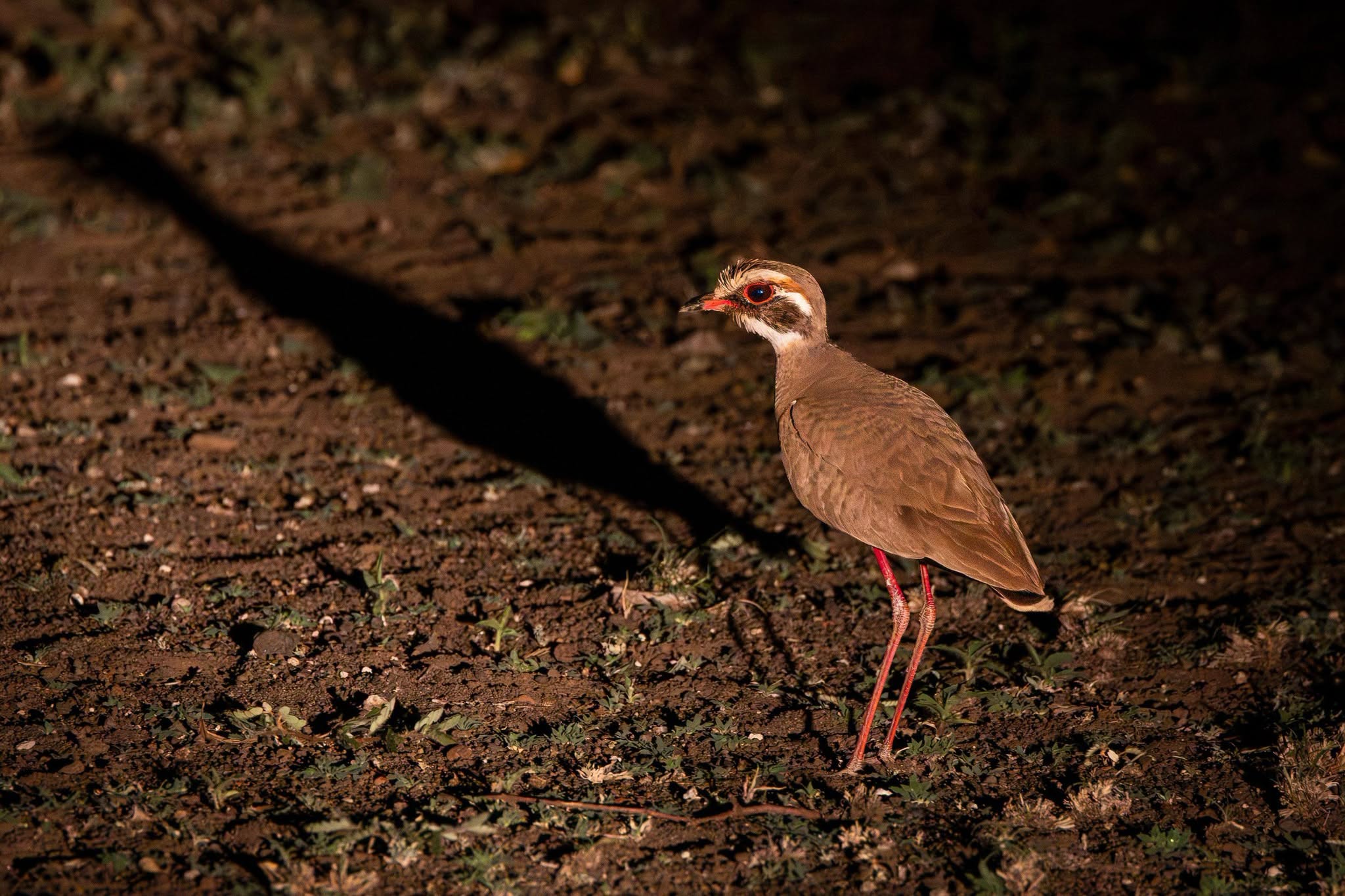
Dickinson’s Kestrel remained elusive, but soon afterwards two Bronze-winged Coursers provided a superb alternative. They were sheltering from the sun beneath a small mopane tree close to the road.
Towards the Luvuvhu bridge, we recorded Marico Sunbird, Meves’s Starling, Wood Sandpiper, Common Sandpiper, African Woolly-necked Stork and a pale-morph Wahlberg’s Eagle.
Arriving in the Pafuri area introduced one of the tour’s most striking habitat changes. Tall riverine forest follows the Luvuvhu, forming shaded corridors through the hot northern landscape.
Nyala trees and Jackalberries are important features of these forests. Nyala trees have compound leaves made up of smaller leaflets, while Jackalberries have simple leaves—a useful distinction when comparing these impressive trees. Ana trees, figs and other large riverbank trees contribute to the canopy, while Lala Palms add character to the wider northern landscape.
We followed the S63 to Pafuri picnic site before continuing to Crooks’ Corner. Sightings across these stops included Lesser Masked Weaver, Little Heron, Goliath Heron, Saddle-billed Stork and African Openbill.
On the final few kilometres towards Pafuri Camp, a perched Tawny Eagle with strongly streaked plumage gave us another opportunity to appreciate the variation within this species.
The swimming pool was especially welcome after check-in. That evening, while I prepared the fire for our braai, the guests joined an additional night drive with a park guide.
Their sightings included Three-banded Courser, Bronze-winged Courser, Square-tailed Nightjar and Spotted Eagle-Owl, together with Large-spotted Genet, Porcupine and Black-backed Jackal.
Day 5 — Pafuri Specialities and a Leopard in a Fig Tree
African Goshawk started our day, followed by birding at the Luvuvhu bridge, where Bearded Woodpecker and Large Rock Martin were among the species recorded.
We then searched along the H1-9 for Arnot’s Chat and Racket-tailed Roller. Neither appeared on this visit, but a White-crested Helmetshrike attending its neatly constructed nest provided a memorable highlight.
Breakfast and coffee at Pafuri picnic site came with excellent birding. Retz’s Helmetshrike, Tropical Boubou, Kurrichane Thrush, Spectacled Weaver and Green-winged Pytilia all gave us good views.
The riverine trees and dense understorey help explain the richness of birding in Pafuri. Large canopies, tangled vegetation and shaded feeding sites support birds that can be much harder to find in open woodland. Wild Sage along the picnic-site and camp roads added another element to our observations of the vegetation.
Away from the riverbanks, the wider northern landscape supports trees such as Leadwood, Shepherd’s Tree, Apple-leaf and Tamboti. Mature Leadwoods have deeply fissured bark resembling crocodile skin, while Tamboti is notable for its dark bark and distinctive fruit capsules.
A stop at a small waterbody on our return journey produced Malachite Kingfisher and a good view of a Water Monitor.
After lunch at Punda Maria, we continued south, adding Cinnamon-breasted Bunting, Marabou Stork and Groundscraper Thrush.
Approximately ten kilometres before Shingwedzi, our first cat sighting of the tour appeared: a beautiful female Leopard stretched out along a large branch of a fig tree.
After a brief stop at Shingwedzi for refreshments, we continued towards Mopani. A roadside gathering of vultures included one Hooded Vulture, one Cape Vulture and numerous White-backed Vultures.
Suddenly, the birds dropped into dense mopane vegetation towards a carcass. We scanned for predators, but the woodland prevented us from identifying the carcass or any animals feeding there.
Red-crested Korhaan and a pair of African Hawk-Eagles with prey rounded off the afternoon.
We ended at Mopani Rest Camp’s restaurant, enjoying a spectacular sunset over Pioneer Dam before dinner.
Day 6 — Our 200th Bird and Extraordinary Kruger Wildlife
A 05:30 birding walk at Mopani Rest Camp produced Bearded Scrub Robin, White-throated Robin-Chat, African Cuckoo and Peregrine Falcon.
After packing, we enjoyed breakfast overlooking Pioneer Dam. A Spotted Hyena beside the road provided our first notable sighting as we left camp.
At Shipandani bridge, a Little Heron offered lovely close photographic opportunities. We then continued towards Mooiplaas, where a Collared Pratincole became our 200th bird species of the tour.
What followed was a remarkable succession of encounters.
A group of African Elephants, including youngsters, arrived to drink, their vocal exchanges adding to the excitement. Chestnut-backed Sparrow-Lark and Namaqua Dove appeared, two Blue Wildebeest began fighting in the road, and a Kori Bustard joined the scene.
Continuing along the river loop and onto the main road, we encountered three Southern Ground Hornbills interacting with a Tawny Eagle. The eagle attempted to steal an item of food that appeared to be a fish.
One hornbill came close to catching the eagle’s tail feathers as it escaped. The eagle then faced further harassment from a Lilac-breasted Roller and two Fork-tailed Drongos.
While we were still watching this unfold, a guest called out that a Secretarybird had landed behind us!
Farther south, the landscape increasingly opened into the central Kruger savannas. Around Satara, grasslands and scattered woodland create a different setting from the northern mopane belt. Knob-thorn and Marula are important trees in this broader landscape, while bushwillows and other woodland species become prominent on suitable soils farther south and west.
After a stop at the Letaba bridge, another major highlight awaited us approximately 19 kilometres before Olifants: a pack of African Wild Dogs resting in the shade beside the road.
We counted seven youngsters and at least four adults. Spending time with these endangered predators was an exceptional addition to an already memorable day.
At Olifants, White-throated Robin-Chat and Mocking Cliff Chat appeared near the parking area. After lunch, two Yellow-bellied Greenbuls added to our sightings, and three Black Storks circled overhead as we departed.
At the Olifants bridge, we enjoyed distant views of African Skimmers before continuing towards Satara.
The final stretch produced more Spotted Hyenas, including youngsters, and two Greater Painted-Snipes in a small wetland.
After some birding around Satara’s parking area, we settled into our accommodation and met for dinner at 19:00. It had been a day packed with birds, behaviour and outstanding mammal sightings.
Day 7 — Through Southern Kruger and Home to Cape Town
Our final morning began with a 05:30 departure from Satara. We stopped at Tshokwane for breakfast before continuing south, including a section along the S6.
With a flight to catch, we had to be selective about our stops, but a group of Dwarf Mongooses beside the road was impossible to ignore.
Our southward journey completed the tour’s progression through Kruger’s changing vegetation. Bushwillows, Marula and mixed broad-leaved woodland provided a contrast to the extensive mopane country explored earlier.
Silver Cluster-leaf, Terminalia sericea, is particularly associated with sandy soils. Its pale, silky foliage distinguishes it from the Purple-pod Cluster-leaf of the northern woodlands.
After a brief stop at Skukuza, we continued towards the exit. A Sable Antelope crossing the road provided a particularly rewarding final mammal sighting.
We left through Numbi Gate at 13:15 and travelled directly to Kruger Mpumalanga International Airport for our return journey to Cape Town.
Trees and Smaller Wonders Along the Way
Our attention was never limited to birds and large mammals. Trees and smaller plants helped tell the story of the landscapes we travelled through.
Alongside mopane, the riverine giants and the various bushwillows, our botanical observations included Shepherd’s Tree, Apple-leaf, Sjambok Pod, Lowveld Gardenia, Magic Guarri, White Raisin, Marula and False Marula.
The Leopard Orchid added another point of interest. This indigenous orchid, Ansellia africana, typically grows on trees as an epiphyte, using its host for support rather than drawing nourishment from it. Its spotted flowers explain its memorable common name.
Lala Palms, Wild Sage and the flower recorded in our notes as “Lion’s Eye” added further interest, drawing our attention from the tall forest canopy to the shrubs and flowers beside the road.
Throughout the journey, vegetation shaped our wildlife encounters. Rivers attracted waterbirds and supported forest corridors; mature trees provided nesting and roosting sites; open grasslands favoured bustards and larks; and dense woodland sheltered birds that sometimes revealed themselves only through their calls.
A Kruger Birding Tour to Remember
With close to 220 bird species, an unforgettable Pennant-winged Nightjar display, a Leopard resting in a fig tree, African Wild Dogs beside the road and extraordinary wildlife interactions around Mooiplaas, this was another memorable Let’s Go Birding adventure.
From the Blyde River to Punda Maria and Pafuri, and south through Kruger National Park, each change in habitat brought something new to discover.
To enquire about our annual October–November Pennant-winged Nightjar tour or other guided Kruger birding tours, contact Jacques Giliomee at Let’s Go Birding.
Photo Gallery: November 2026 Kruger
Explore our gallery photographed during the tour images by by Gill Ainslie
Join us on one of our next trips
See you soon